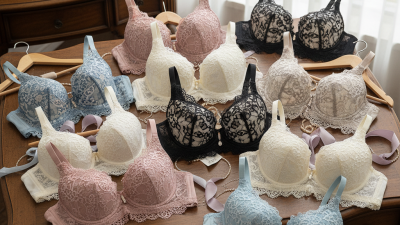
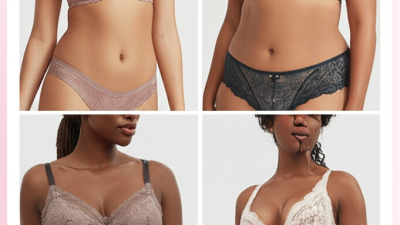
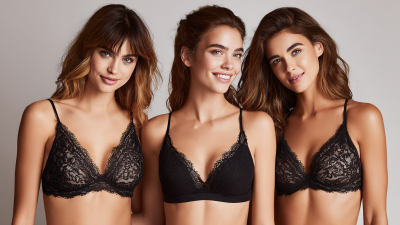
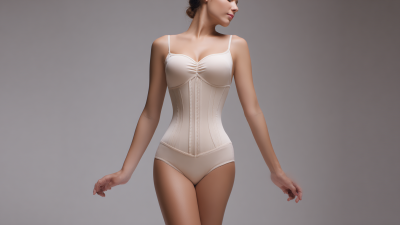
Picking the right lace bras for wholesale in 2026 isn’t just about snapping great-looking product photos. You really need to dig a bit deeper—think about how they’re built, how comfortable they actually are, whether your supplier is reliable, and if they make sense commercially. Sometimes, a lace bra looks super fancy online but ends up feeling rough or scratchy against the skin—trust me, that tiny difference really matters in the long run.
In this guide, we’re gonna walk through some of the most popular lace bra styles for wholesalers—like unlined bralettes, lightly padded options, Plunge Bras, balconettes, and full-coverage models. We’ll look into lace quality, elastic stretch recovery, how easy it is to adjust straps, lining options, size ranges, and stitching quality. All these little details can impact things like return rates, customer reviews, and whether people keep coming back for more. Of course, practical stuff like minimum order quantities, sampling approval, production times, packaging, and compliance papers are equally important.
Experience definitely helps, but it doesn’t clear up every risk. Even if a supplier sends you gorgeous samples, that doesn’t mean the bulk batches will be perfect—they can still vary. And a low price per unit might be hiding weak elastics or hidden quality-control issues. That's why it’s smart to test several sizes, wash samples to check durability, inspect seams closely, and compare measurements with your approved specs. Small flaws might not seem like a big deal at first, but at scale, they can end up costing you a lot.
This article aims to give you a solid framework for comparing Lace Bras with real evidence—not just assumptions or marketing hype. It also encourages you to question popular trends instead of taking every forecast at face value. Keep in mind, some recommendations could need tweaking depending on customer preferences, material costs, or regional demand shifts. Good buyers know to leave some wiggle room for that kind of uncertainty, especially when making bigger orders.
Lace Bra Basics: Materials, Structures, and Key Wholesale Terms
Lace bra basics start with fiber and fabric construction. Common lace uses nylon or polyester, blended with elastane for stretch and recovery. Cotton blends feel softer but may lose shape faster after repeated washing. Raschel lace offers consistent production, while Leavers-style lace gives finer detail and higher sampling costs. Textile Exchange’s 2024 Materials Market Report states that polyester represented about 57% of global fiber production in 2023. That scale can support stable wholesale sourcing, but recycled content still needs certification and traceability.
Structure changes fit and landed cost. Underwire bras need channeling, molded cups, and stable back panels. Wireless styles rely on power mesh, wider underbands, and carefully graded cup depth. A Lace Corset may add boning, longer panels, and stronger hook-and-eye tape. Ask suppliers for GSM, elastane percentage, cup lining, stretch direction, and colorfastness results. Key wholesale terms include MOQ, size ratio, FOB, lead time, and AQL inspection level. Grand View Research’s lingerie market analysis reported a global market value above 90 billion dollars in 2024, showing why small specification errors can become expensive at scale.
Request a pre-production sample. Check lace alignment near the bridge and seam tension under the arm. I have seen attractive samples fail because the elastic rolled after washing. Not every “premium” lace performs better. Test three wash cycles, measure recovery, and compare actual measurements with the tech pack. A lower MOQ may help testing, though its unit cost can rise. That trade-off deserves honest review.
Top Lace Bra Types for Wholesale Buyers in 2026
Top Lace Bra Types for Wholesale Buyers in 2026
Wholesale buyers are prioritizing lace bras that balance visual appeal, comfort, and repeat sales. Grand View Research valued the global lingerie market at about USD 90 billion in 2023, with continued growth expected through 2030. Unlined triangle bras suit younger, comfort-focused shoppers. Balconette styles offer stronger lift and work well under square necklines. Plunge lace bras remain useful for occasionwear. Soft bralettes and longline designs support the growing preference for relaxed silhouettes. A coordinated Lace Bodysuit can also increase basket value, especially when sold with matching briefs.
Tips: Request samples before confirming bulk orders. Check lace recovery after washing, strap adjustment, cup transparency, and underwire comfort. Review size data by market, not by assumption. A 2024 report from Grand View Research identifies online channels as a major lingerie growth route, so clear product photos and accurate measurements matter. I would not rely on lace appearance alone. Some delicate patterns snag quickly, despite looking premium in studio images. Test at least three sizes and inspect seams, hooks, and elastic tension. Small flaws become expensive returns. Also compare colorfastness across black, ivory, and seasonal shades. The best wholesale mix is rarely the most dramatic one. It is the range customers can wear, understand, and reorder.
How to Compare Lace Bra Designs, Support, and Comfort
Wholesale buyers should compare lace bras through construction, not appearance alone. Grand View Research valued the global lingerie market at approximately USD 91.7 billion in 2023. Its forecast also indicates continued growth through 2030. This creates room for premium lace, but weak support can quickly increase returns.
Check the band first. It should lie flat without cutting into the back. A three-hook closure usually gives better adjustment for fuller size ranges. Examine the underwire channel, side wings, and cup seam. The lace must remain stable after stretching.
In sample reviews, a beautiful cup sometimes loses shape after one wash. That is an expensive surprise. Request test pieces and measure band recovery after repeated washing. Record the original and final length.
Comfort needs measurable checks. Ask suppliers to disclose fiber content, lining weight, and recovery performance. Textile Exchange’s 2024 Materials Market Report states that polyester represented about 57% of global fiber production in 2023. Polyester lace can offer durability, but poor blends may feel warm or rough against skin. Soft lining matters. So does strap width.
For everyday wholesale collections, compare molded cups, lightly lined cups, and unlined triangle designs on the same fit model. Note pressure under the bust, lace scratching, cup gaping, and strap movement. Do not trust one fitting session. Bodies change during a workday. A bra can fit at 9 a.m. and disappoint by noon.
Choosing Lace Bras by Target Market, Size Range, and Use
Wholesale lace bra buying in 2026 should begin with the customer, not the decoration. Grand View Research estimates the global lingerie market will continue growing through 2030, supported by online shopping and wider product choices. However, market reports use different categories, so buyers should treat forecasts as directional rather than absolute.
For younger fashion shoppers, sheer lace bralettes and the Lace Corset Top can support social-media styling. They need soft lining, adjustable straps, and stable elastic for daily movement. Maternity and comfort-focused customers usually prefer wireless lace bras, wider underbands, and breathable stretch fabric. Fuller-bust markets require stronger side panels, multiple hook rows, and cup sizes beyond the standard range. Circana’s apparel research repeatedly shows that fit and comfort influence repeat purchasing, not just visual appeal. That point is easy to underestimate.
Tips: Build a test assortment before placing a large order. Offer core sizes, then review sell-through by cup and band. Measure the bra on different body shapes, not only a fit model. Check lace recovery after washing. Small defects become expensive returns. Buyers should also inspect fiber content, seam strength, and labeling before shipment. A 2024 Grand View Research analysis identifies e-commerce as a major lingerie growth channel, making accurate size charts especially important. I would still question any range plan based on averages alone. Real customers rarely fit the spreadsheet.
2026 Best Lace Bra Types for Wholesale Buyers
Buyer-focused comparison by target market, size coverage, and primary use
The chart uses a practical wholesale planning score from 1 to 10. Full-coverage lace bras score highest for extended size ranges and everyday use, while plunge and balconette styles are stronger for fashion-led and occasion-focused assortments.
Wholesale Quality Standards for Lace Bras
For 2026 wholesale buying, lace bra quality starts with material control. Buyers should request fiber details, fabric weight, stretch recovery, and colorfastness reports. Soft lace must not scratch the skin or lose shape after washing. Check the elastic underarm and band areas carefully. These parts often fail first. In my sampling experience, a beautiful surface can hide weak stitching. That mistake becomes expensive in bulk production.
A reliable supplier should provide size charts, pre-production samples, and inspection records. Examine cup symmetry, hook alignment, strap adjustment, and seam strength. Pull the band gently and check whether it returns smoothly. Inspect three random pieces from every carton. Do not rely on one perfect sample. A Lace Bustier Top also needs stable boning, clean edges, and comfortable lining. Small details affect customer returns.
Wholesale standards should include washing tests, shade matching, measurement tolerance, and secure packaging. Each carton needs clear size and color identification. Moisture protection matters during storage and transport. Suppliers should explain their inspection process without vague promises. Ask for corrective action records when defects appear. Not every problem signals poor production, but repeated problems require a serious review. Some buyers still focus only on price. That choice deserves reconsideration. Good lace should look delicate, yet perform consistently across hundreds of pieces.
Pricing, Minimum Orders, and Supplier Evaluation Factors
2026 Best Lace Bra Types for Wholesale Buyers?
Wholesale lace bra purchasing is less about appearance than controlled cost and repeatable quality.
Grand View Research valued the global lingerie market at approximately US$91.2 billion in 2023, with continued growth expected through 2030.
That scale creates opportunity, but also intense price pressure. Factory-direct lace bras commonly cost about US$3–9 per unit, depending on lace density, wiring, padding, and order volume. Minimum orders often range from 100 to 500 units per color. Custom molds may require higher quantities. Keep it practical.
Ask suppliers for a complete quotation, including packaging, sampling, inspection, and shipping terms. Compare landed cost, not only the unit price. A low quotation can hide expensive sample revisions or unstable lace supply.
Request a pre-production sample and check cup symmetry, strap recovery, hook strength, stitching, and color consistency after washing.
OEKO-TEX testing can support material safety claims, while an independent inspection report provides stronger evidence than photographs.
McKinsey’s State of Fashion reporting continues to highlight cautious consumer spending and stronger demand for value. Buyers should therefore test smaller assortments before scaling.
In my sourcing reviews, suppliers with clear lead times and documented defect policies usually outperform cheaper, less organized factories. Still, this method is imperfect; a polished sample may not represent the third production batch. Review factory capacity, payment protection, production records, and communication speed. A supplier who avoids basic questions is already providing useful information.
Embroidered Floral Lace Teddy Bodysuit: Style, Fit, Comfort, and Seductive Appeal
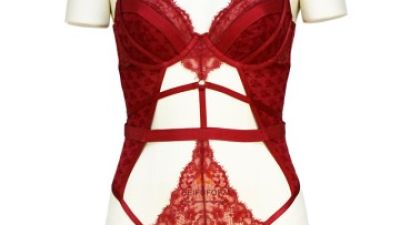
The Embroidered Floral Eyelashes Mesh Lace Hollow Suspender Exotic Teddy Bodysuit brings together elegant detailing, flattering structure, and confident feminine style. Designed in vivid red, it features delicate floral embroidery and eyelash lace that create a refined yet alluring visual effect. The openwork mesh panels add breathability and a touch of modern appeal, while the suspender-inspired silhouette highlights the waist and creates a graceful, elongated look. It is an expressive choice for a special evening or a sophisticated lingerie collection.
Made from 90% polyamide and 10% elasthane, this teddy bodysuit offers a soft, flexible feel with gentle stretch for easier movement and a more comfortable fit. The top is designed for size 75B, while the bottom is size S, providing a close-fitting shape that follows the body without overwhelming it. Its combination of lightweight lace, elastic comfort, and carefully placed floral details makes it suitable for those who appreciate both visual impact and wearability. The bold red tone enhances its seductive appeal, while the intricate texture keeps the overall impression elegant and polished.
FAQS
Consider triangle bras, balconettes, plunge styles, soft bralettes, and longline designs. The best mix balances appearance, comfort, support, and repeat purchases.
They offer a relaxed shape and lightweight comfort. They work well for customers who dislike heavy padding. However, transparency may limit some everyday uses.
Balconette Bras provide stronger lift and suit square necklines. Check cup coverage carefully. Some designs look attractive but shift during movement.
Plunge styles fit low-cut occasionwear and create a deeper center line. They need secure cups and stable straps. A dramatic shape is not always comfortable.
Check the band, underwire channel, side wings, cup seams, and closure. The band should lie flat without cutting into the back. Three hooks may improve adjustment.
Review strap width, lining softness, fiber content, and underbust pressure. Ask a fit model to wear each sample for several hours. Morning comfort can change by noon.
Wash samples repeatedly and measure band recovery afterward. Inspect snagging, elastic tension, hooks, seams, and cup shape. One attractive sample proves very little.
Yes. Test at least three sizes across the intended market range. Review cup gaping, strap movement, back pressure, and underwire comfort. Size assumptions often create avoidable returns.
Request fiber content, lining weight, stretch recovery, and washing guidance. Some polyester lace feels durable but warm or rough. Material performance varies, unfortunately.
Offer matching briefs or coordinated lace garments with selected bra styles. Clear photos and accurate measurements help online shoppers decide. Coordination can increase order value, but only when sizing remains clear.
Conclusion
This guide to the 2026 best Lace Bra types for wholesale buyers explains the essential materials, construction methods, and industry terms needed to evaluate products confidently. It compares popular styles such as wireless, underwire, bralette, balconette, and full-coverage designs, focusing on support, comfort, adjustability, fit, and practical use. Buyers will also learn how to match Lace Bras with different target markets, size ranges, age groups, and retail positioning.
The article outlines key wholesale quality standards, including fabric durability, stitching, lace attachment, elastic recovery, color consistency, and packaging reliability. It also discusses how to assess pricing, minimum order quantities, production flexibility, sample policies, lead times, communication, and supplier dependability. By considering design, performance, customer needs, and total purchasing costs together, wholesale buyers can build a balanced Lace Bras assortment that offers attractive styling, dependable quality, and strong commercial potential in 2026.