Leave Your Message
Choosing Shapewear Underwear in 2026 isn’t just about comparing colors, prices, and product images anymore. For global buyers, it’s really about finding pieces that offer dependable support, feel comfortable, and come with clear info about fit. I mean, a garment might look super sleek on a model, but after a few hours, it could feel pretty restrictive—that’s the kind of thing that really matters, you know?
This guide dives into things like fabric composition, compression levels, sizing systems, stitching quality, and everyday comfort. It also considers different body shapes, climates, and shopping habits across various markets around the world. For instance, breathable nylon blends might be perfect for warmer regions, while softer microfibers can make long wear way more comfortable. Before placing big orders, it’s smart to double-check waist and hip measurements, care instructions, and return policies.
Those little details can tell you a lot about the quality. Flat seams help reduce visible lines under your clothes, and reinforced waistbands can stop rolling during movement. But honestly, no single design will fit everyone perfectly. Fit charts can still be tricky to interpret, and even seasoned buyers often need to see samples before committing to bulk orders—there’s nothing wrong with that.
trusted suppliers should give consistent measurements, detailed info about materials, samples from production, and honest delivery timelines. It’s also good to look at independent tests, customer reviews, and transparent communication to make smarter choices. Plus, don’t forget to be aware of local textile, labeling, and consumer protection rules if you’re planning to sell these in a specific market.
At the end of the day, comfort really comes first.
This introduction is here to help international buyers focus on what really matters—like key evaluation points, common pitfalls, and questions to ask suppliers. It’s all about empowering you to make informed decisions, not about pushing some one-size-fits-all product. Because the best shapewear isn’t necessarily the tightest one; it’s the one that offers good support, solid construction, and all-day comfort tailored to whoever’s wearing it.
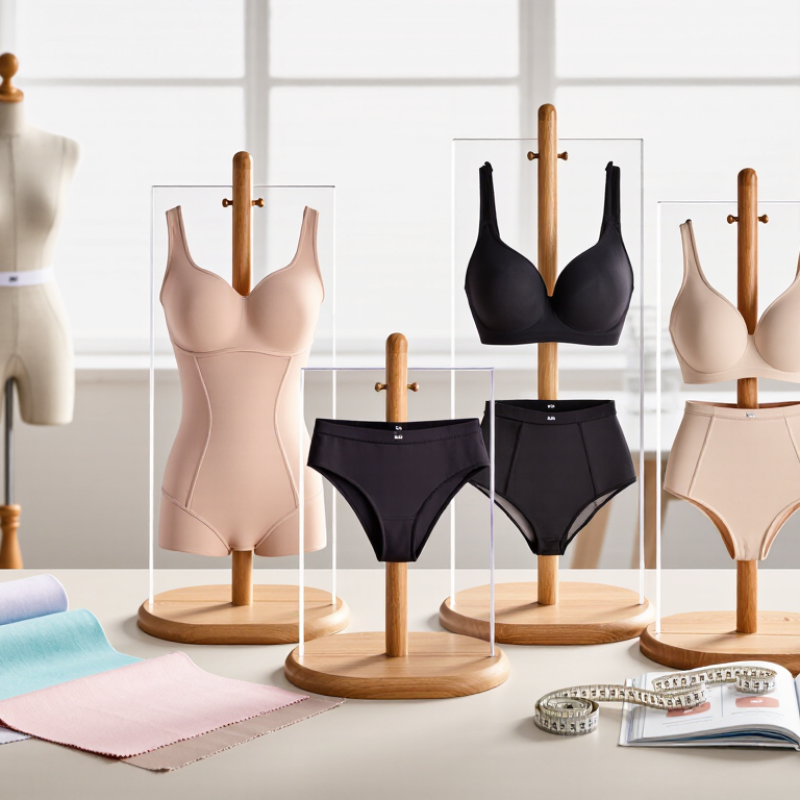
Shapewear underwear is a close-fitting garment designed to smooth, support, and shape selected areas. It usually uses stretch fabrics with different compression zones. For example, a high-waisted panel may gently hold the abdomen, while firm leg openings reduce visible lines beneath clothing. Control Underwear works through pressure and fabric tension, not by changing body fat. It creates a temporary silhouette under dresses, trousers, or workwear.
The effect depends on fit. A garment that is too tight may roll at the waist, restrict movement, or leave deep marks after several hours. A suitable piece should feel secure but allow comfortable breathing and sitting. Check the size chart, waist measurement, hip measurement, and fabric composition before ordering. Breathable fibers can help during warm travel or long working days. Small details matter.
In my experience reviewing garment construction, seams often affect comfort more than advertised compression. Flat seams feel smoother under thin clothing. However, sizing advice is not perfect. Body shapes vary, and the same size may feel different across styles. Try the garment briefly at home, then walk, bend, and sit. Remove it if you feel numbness, pain, unusual swelling, or restricted breathing. Shapewear should support clothing choices, not replace comfort or healthy body expectations.
| Selection Dimension | What It Is | How It Works | Typical Characteristics | Best Use | Global Buyer Checks |
|---|---|---|---|---|---|
| Definition | Shapewear underwear is a close-fitting foundation garment designed to smooth, support, or temporarily contour selected areas of the body. | Stretch fabrics apply distributed pressure and hold soft tissue more evenly beneath outer clothing. The effect is temporary and does not permanently change body shape. | Common forms include briefs, shorts, bodysuits, camisoles, slips, waist cinchers, and shaping leggings. | Smoother garment appearance, light support, and temporary contouring. | Confirm that product descriptions use terms such as “smoothing” or “shaping” accurately and do not promise permanent slimming or weight loss. |
| Compression Level | The amount of stretch resistance and pressure created by the garment. | Higher-power fabrics and tighter construction provide more containment but may reduce comfort and mobility. | Light: everyday smoothing. Moderate: more visible contouring. Firm: stronger control and a closer fit. Shapewear levels are not universally standardized. | Light for long wear; moderate for occasions; firm for short-duration styling when properly fitted. | Ask for garment-specific fit guidance rather than relying only on labels such as “medium” or “firm.” Do not equate fashion shapewear with medically prescribed compression garments. |
| Target Area | The body zone the product is designed to smooth or support. | Panels, seams, elastic zones, and fabric tension are positioned to distribute pressure around a particular area. | Waist and abdomen; hips and thighs; buttocks; bust and back; or full torso. | Choose the smallest coverage area that meets the styling objective to improve comfort and ease of dressing. | Check whether the leg opening, waistband, bust area, and gusset match the wearer’s proportions and intended outfit. |
| Garment Length | The vertical coverage of the product. | Longer garments spread shaping across more surface area and can reduce visible transition lines under clothing. | Brief, high-waist brief, mid-thigh short, knee-length short, bodysuit, slip, and full-body styles. | Briefs for targeted waist shaping; shorts for waist-to-thigh smoothing; bodysuits for torso and back coverage. | Verify rise, inseam, neckline, leg length, and whether the design is compatible with skirts, trousers, dresses, or open-back clothing. |
| Fabric Composition | The fiber blend and fabric structure used to balance stretch, recovery, softness, and durability. | Elastane provides stretch and recovery, while nylon/polyamide or polyester commonly provides strength and shape retention. Cotton or other cellulosic fibers may improve softness. | Common constructions use synthetic stretch blends, knitted power mesh, bonded panels, or seamless circular knitting. | Select breathable, moisture-managing structures for warm climates and softer, brushed or lined constructions for comfort-sensitive users. | Request exact fiber percentages, stretch direction, fabric weight, colorfastness, wash instructions, and applicable textile compliance documents. |
| Seams and Edges | The construction used at seams, waistbands, leg openings, and garment edges. | Flat seams and bonded edges can reduce friction and visible lines; structured seams can provide stronger directional support. | Flatlock seams, laser-cut edges, silicone grippers, elastic waistbands, and reinforced gussets are common features. | Seamless or laser-cut edges for close-fitting clothing; reinforced seams for repeated use and higher-control styles. | Test rolling, pinching, chafing, edge durability, and whether silicone components remain secure after washing. |
| Size and Fit | The relationship between body measurements and the garment’s finished dimensions. | A correct fit creates even support. A garment that is too small may roll, pinch, restrict movement, or cause discomfort. | Sizing may use waist, hip, bust, height, or combined measurement charts. Measurements differ by market and manufacturer. | All users, especially when selling across regions with different sizing conventions. | Publish measurements in centimetres and inches, show the measuring method, identify tolerance ranges, and provide a clear exchange policy. |
| Comfort and Wear Time | How suitable the garment is for the intended duration and activity. | Heat, sweat, friction, restricted movement, and excessive pressure can reduce comfort during prolonged wear. | Breathable panels, moisture management, a soft gusset, accessible closures, and moderate stretch can improve usability. | Daily wear requires comfort and mobility; event wear may prioritize stronger shaping for a shorter period. | Provide safe-use guidance: remove the garment if it causes pain, numbness, tingling, breathing difficulty, skin irritation, or unusual discoloration. |
| Climate and Breathability | The garment’s suitability for local temperature, humidity, and daily activity. | Open-knit zones and moisture-managing fibers can improve airflow and reduce retained perspiration, while dense panels usually provide more control. | Lightweight knits suit warm conditions; denser power fabrics may feel warmer but can offer stronger shaping. | Warm and humid markets, travel, workwear, ceremonies, and seasonal collections. | Evaluate drying time, odor-control claims, ventilation zones, fabric weight, and care requirements before selecting an assortment. |
| Care and Durability | The product’s ability to maintain elasticity, shape, color, and construction after use and washing. | Heat, bleach, rough washing, and tumble drying can damage elastane and reduce recovery. | Care labels commonly recommend gentle washing, low temperatures, and avoiding chlorine bleach; exact instructions depend on the fabric blend. | Frequent-use products and international e-commerce where returns and quality complaints are costly. | Conduct wash testing, recovery testing, seam inspection, and colorfastness checks under the target market’s care conditions. |
| Safety and Claims | The accuracy of product statements and the suitability of the garment for the intended consumer. | Shapewear changes the appearance of contours while worn; it does not replace medical treatment, exercise, or nutrition. | Avoid unsupported claims about permanent fat reduction, detoxification, disease treatment, or guaranteed weight loss. | Responsible product presentation, customer education, and lower regulatory risk. | Review fibre labeling, care labeling, product safety, chemical restrictions, consumer warnings, packaging, and advertising rules in each destination market. |
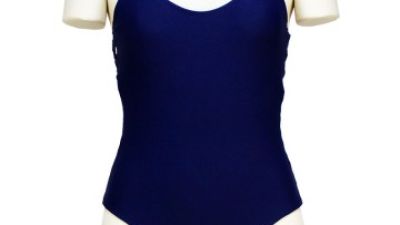
Choosing a lace-up shapewear one-piece bikini starts with finding a supportive fit that feels comfortable in motion. This blue style features a 75B top and S bottom, making it important to compare your measurements with the size chart before ordering. Its 90% polyamide and 10% elastane fabric offers a smooth, flexible feel, while the shaping construction helps create a streamlined silhouette without restricting movement. Adjustable side ties allow you to refine the fit around the hips, and the lace-up back can be loosened or tightened for a more personalized feel. The hollow-out bandage detailing adds visual interest while keeping the design sleek and modern.
For a confident beach look, style this one-piece with lightweight linen pants, a loose white shirt, or a flowing wrap skirt when walking along the shore. Keep accessories simple with woven sandals, a wide-brimmed hat, and a pair of understated sunglasses so the lace-up back and blue color remain the focus. If you prefer a sporty finish, add a compact waterproof bag and sleek slides. Before wearing, adjust the side ties and back lacing while standing naturally, ensuring the fabric lies smoothly and stays secure without feeling overly tight. Rinse it with cool water after swimming and let it air-dry away from direct heat to help maintain its stretch and color.
Choose based on the area you want to smooth. Briefs suit the waist and hips. Bodysuits cover more under fitted clothing. Shaping shorts can reduce thigh friction. Comfort comes first.
Light compression works well for regular movement. Medium or firm control may suit formal outfits. Stronger compression is not always better. Too much pressure can restrict breathing.
No. Measure your waist, hips, and torso first. Compare those measurements with the size chart. A smaller size may cause bulges, numbness, or limited movement. I have made that mistake.
Check the waist height and covered areas. High-waisted styles may support the abdomen. They can roll on shorter torsos. Full-body designs smooth more areas but make bathroom visits less convenient.
Breathable fabric blends usually feel better in warm, humid weather. Nylon often feels smooth and dries quickly. Polyester may handle repeated washing well. Fabric labels still reveal only part of the story.
Wear it while sitting, walking, and bending. Check the garment under ordinary clothing. Look for sharp pressure, skin marks, numbness, or difficult breathing. Remove it if discomfort continues.
Flat seams can reduce rubbing during long workdays. Check elastic recovery, stitching, and colorfastness. Inspect seams under bright light. I once ignored seam placement, and the edge irritated my skin.
Ask for fiber content, care instructions, coverage information, and test reports. Request a sample first. Review the return policy. A small trial may expose a major weakness.
Choosing Shapewear Underwear for global markets requires a clear understanding of how shaping garments support, smooth, and contour the body through targeted compression. Buyers should first define their goals, such as waist shaping, tummy control, hip enhancement, posture support, or full-body smoothing. They can then select suitable styles, including briefs, shorts, bodysuits, camisoles, or high-waisted designs, while matching coverage and compression levels to customer comfort and intended use.
Material selection is equally important. Breathable, elastic, durable fabrics can improve comfort, recovery, and product lifespan, while excessive compression may reduce wearability. Buyers should carefully review size charts, body measurements, grading systems, and international sizing differences to reduce fitting problems. Supplier evaluation should include production consistency, quality control, relevant certifications, minimum order quantities, pricing transparency, payment terms, packaging, lead times, and shipping conditions. A reliable sourcing decision balances shaping performance, comfort, fit accuracy, product durability, compliance, and total landed cost.