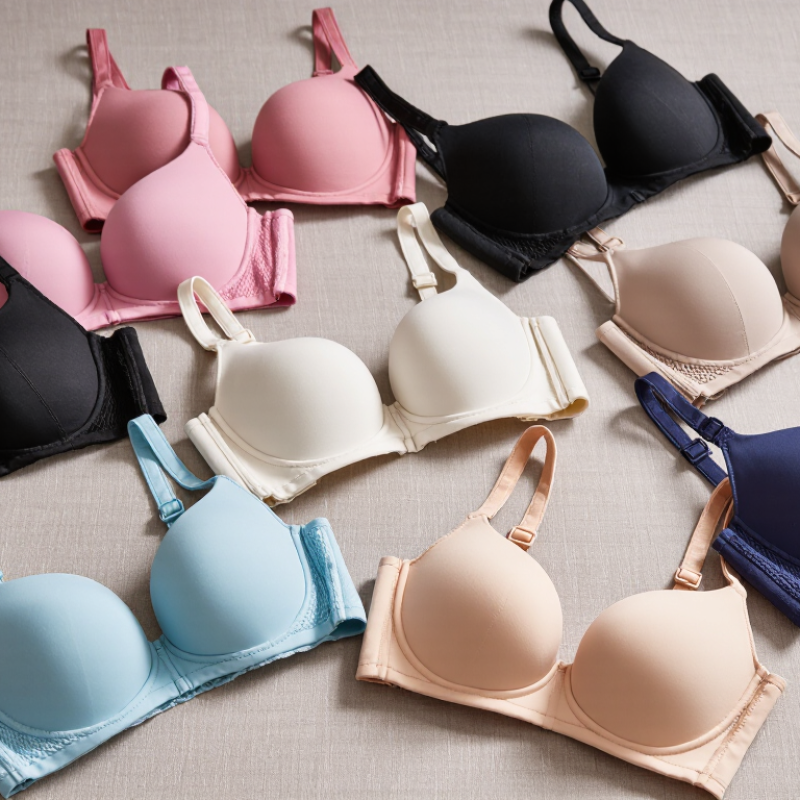
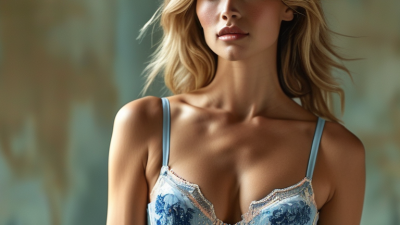
| 1 | Classic Underwired Balconette | Medium coverage with a horizontal neckline and wide-set straps. | Underwire, seamed cups, adjustable shoulder straps, and hook-and-eye back closure. | Works well for average-to-full upper-bust volume and a defined bust root. | Commonly offered from smaller to fuller cup ranges; exact availability varies by seller. | Use bust girth and underbust circumference in centimetres before converting to a local size chart. | Check wire width, cup height, and the distance between the straps. A firm but comfortable band should remain level around the body. |
| 2 | Lightly Padded Balconette | Moderate coverage with thin foam or molded padding for a smooth outline. | Shaped cups, underwire, adjustable straps, and a rear fastening. | Suitable for uneven breast volume or buyers wanting a rounded, consistent silhouette. | Usually available across core band and cup ranges, with fewer options at extreme measurements. | Measure the body without adding ease; do not measure over a padded bra when recording bust girth. | Compare the cup’s internal depth with the seller’s fit notes because padding can reduce usable cup space. |
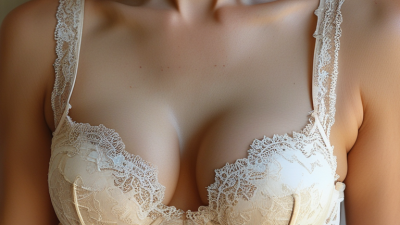
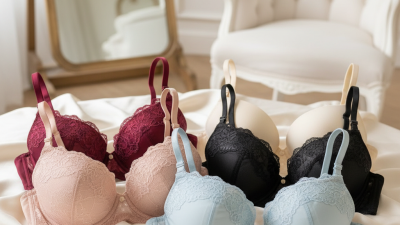
| 3 | Unlined Lace Balconette | Light-to-medium coverage with a low, open neckline and non-foam lace cups. | Seamed fabric cups, supportive underwire, adjustable straps, and back closure. | Best for buyers who prefer natural shaping and have relatively even breast volume. | Often offered in a broad cup range, although lace stretch and cup depth differ by construction. | Record the fullest horizontal bust circumference according to the ISO 8559-2 measurement concept, then compare with the size chart. | Look for stable lower cup panels, soft edging, and enough cup depth to prevent cutting across the bust. |
| 4 | Fuller-Cup Balconette | Medium-to-high coverage while retaining the characteristic open balconette neckline. | Multi-panel cups, wider underwire, reinforced side panels, and broader straps. | Designed for fuller bust volume or buyers needing increased containment without a high neckline. | More likely to include extended cup sizing; band increments and cup labeling remain region-specific. | Take two measurements: snug underbust and level bust girth at the fullest point. Use the seller’s conversion table rather than a universal cup formula. | Prioritize wire comfort, side containment, strap width, and a level band over the printed size alone. |
| 5 | Longline Balconette | Balconette neckline with an extended band reaching onto the upper torso. | Underwire or structured cups, longer elastic panels, and several rows of fasteners. | Suitable for buyers seeking additional torso smoothing and a more secure lower band. | Typically available in standard band ranges; longline fit may be more limited than regular bra fit. | Measure underbust at the intended band position if the longline extends below the natural underbust. | Check torso length, boning placement, and whether the lower band rolls when sitting or bending. |
| 6 | Strapless Balconette | Open neckline with removable or hidden straps and a low horizontal top edge. | Firm underwire, silicone or elastic grip strips, molded cups, and a reinforced band. | Works best when the bust is well contained and the wearer wants a strap-free option. | Usually available in core band sizes, with cup availability dependent on the construction. | Measure the bust girth standing naturally and verify whether the size chart is based on body measurements or garment measurements. | The band supplies most of the support; it should feel secure without restricting breathing or creating excessive back pressure. |
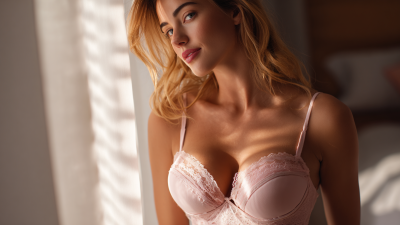
| 7 | Plunge Balconette | Low center front combined with a raised outer cup and open neckline. | Angled underwire, seamed or molded cups, adjustable straps, and a rear closure. | Helpful for low-cut clothing and for bust shapes that benefit from inward shaping. | Common in standard size ranges; very deep plunges may have narrower cup-depth choices. | Compare bust girth, underbust, and the seller’s center-gore measurements because neckline geometry affects fit. | Check for center spillage, wire pressure at the sternum, and whether the plunge remains stable during movement. |
| 8 | Minimizer Balconette | Moderate coverage with a lower-profile appearance rather than strong forward projection. | Three-part or multi-panel cups, supportive underwire, side panels, and wide straps. | Suitable for fuller busts when reduced projection and broader distribution are preferred. | Generally offered in fuller cup ranges, but the term “minimizer” is not regulated as a fixed reduction amount. | Use the measured bust girth as the primary reference and avoid assuming that every brand’s cup letters represent the same volume. | Look for smooth cup seams under clothing, sufficient side coverage, and a band that does not ride up. |
| 9 | Soft-Cup Balconette | Flexible, lightly structured coverage with little or no foam padding. | May use a soft underwire, internal support sling, wide elastic band, or seamed fabric panels. | Comfort-focused option for natural movement and moderate support requirements. | Often sold in combined sizes such as S–XL or in simplified band-and-cup ranges. | When combined sizing is used, compare both bust girth and underbust circumference with the garment chart. | Confirm fabric recovery, lining opacity, side support, and whether the neckline stays in place without compression. |
| 10 | Convertible Balconette | Open balconette neckline with straps that can be worn traditionally, crossed, or halter-style. | Removable adjustable straps, underwire or molded cups, and a multi-position back closure. | Useful for wardrobes requiring several strap arrangements while retaining a balconette shape. | Usually concentrated in common band and cup ranges; strap configuration does not change the base size. | Take the ISO 8559-2-style bust-girth measurement without pulling the tape tightly, then check the regional chart. | Inspect strap attachment strength, cup stability in every configuration, and the available hook-and-eye adjustment. |