Picking the right Lingerie Bodysuit isn’t just about style. It really impacts a bunch of stuff — how well it fits, how confident your customers feel, return rates, repeat buys, and overall how folks experience shopping at your store. There’s definitely a lot of potential here, but it’s important to remember that the numbers should be viewed in context. For example, Grand View Research pegged the global lingerie market at about USD 91.2 billion in 2023, with an expected growth of around 6.1% each year from 2024 to 2030. Keep in mind, that’s for lingerie overall, not just bodysuits — so it’s more about understanding the bigger picture, not making sales predictions for your shop.
If you’re a store buyer, the real practical tips matter even more. Like, check how well the fabric stretches and recovers — nobody wants clothes that lose shape after a quick wear. Look closely at seam placement, especially under fitted outfits, and see if snap closures stay secure without digging into the skin. It’s also a good idea to ask your suppliers for detailed size charts, fabric details, care instructions, and consistent specs across batches. And don’t just try on one size or one body type — test samples on different shapes. Looks from the outside can be deceiving — stuff like twisted straps, sheer panels, or shifting gussets during wear will be obvious once someone actually puts it on.
This guide is here to help you compare the construction, sizing, materials, price points, and how reliable your suppliers are, so you can confidently pick the right range. Think about whether the styles match your customer base and if you can describe them clearly online and in-store. Sometimes, starting with small test orders can help catch fit issues before going all in. But hey, remember, no checklist can predict every return or problem. That’s just part of the game. Use real customer feedback and sales data to tweak your selection over time, and don’t be afraid to revisit your assumptions if what you’re seeing doesn’t match expectations.
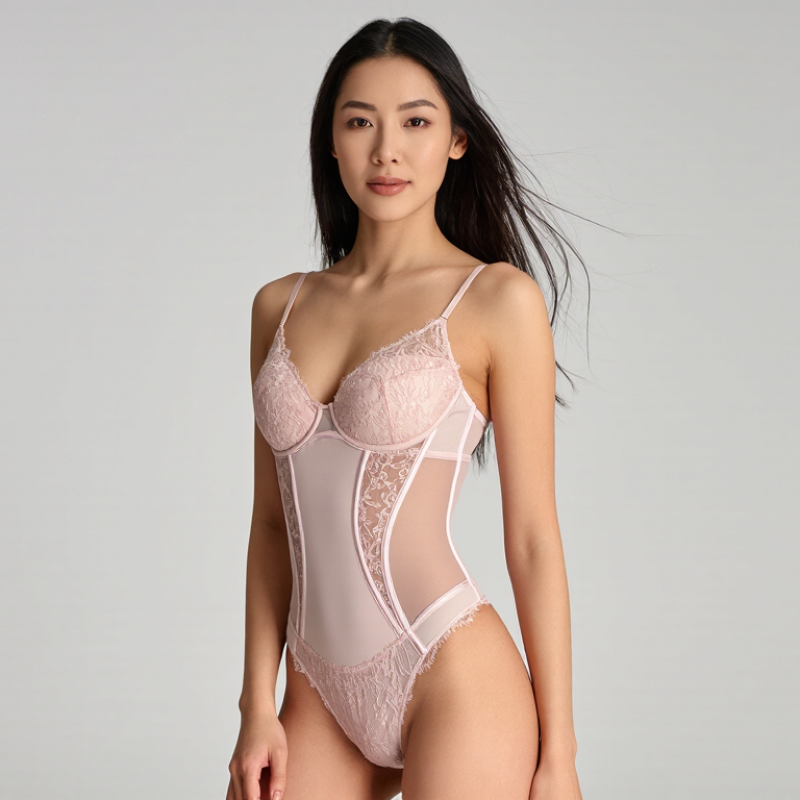
A Lingerie Bodysuit earns its place when it suits a clearly defined customer, not just a trend. Describe your core shopper by fit needs, preferred coverage, typical budget, and intended use: everyday layering, a special occasion, or a confident statement piece.Fit comes first. McKinsey’s 2021 Next in Personalization report found that 71% of consumers expect personalized interactions, while 76% feel frustrated when they do not receive them. Though the research covers consumers broadly, it underlines why relevant size guidance and product details matter.
Position each style around a real need. A soft, breathable fabric and adjustable straps may serve daily wear; sculpting panels and a more dramatic neckline may appeal to occasion shoppers. Show close-up fabric and seam details, and state how the garment fits instead of relying on vague claims. “Hot Lingerie” can describe a bold aesthetic, but it should not replace practical details such as stretch, lining, and care instructions. One assumption to challenge: a higher price alone does not signal better value if the fit is inconsistent.
Tips: Review customer questions, returns, and size feedback before expanding a range. Track which sizes and styles sell, then revise your buying plan. Keep a small test assortment first; it may reveal gaps your initial profile missed.
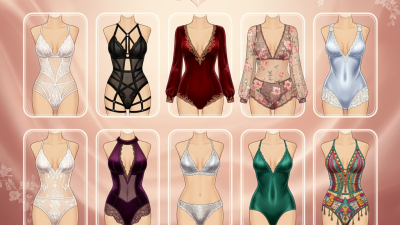
Lingerie bodysuits differ by support, coverage, and intended outfit. Cup bodysuits have shaped or underwired cups, making them useful beneath fitted jackets or sheer tops. Wireless styles feel softer for lounging, though support varies with fabric and band construction. Shaping bodysuits use firmer panels around the waist and torso. Check where seams and closures sit; a bulky snap crotch can show beneath thin trousers. Small details matter.
Teddies and Mesh Bodysuits prioritize appearance, while low-back designs suit open-backed clothing. These categories can overlap: a mesh style may also include cups or light shaping. Grand View Research’s Lingerie Market Size, Share & Trends Analysis Report estimated the global lingerie market at USD 88.32 billion in 2023. That figure covers lingerie broadly, not bodysuits alone, so it should guide market context rather than predict a store’s sales. Offer clear fit notes and fabric close-ups. They help buyers compare options, but they cannot replace try-on feedback. One point is easy to miss: “Sext Lingerie” may appear in search terms, yet it does not describe a bodysuit’s cut or support level.
Choosing a Lingerie Body for your store means looking beyond appearance. Fabric affects softness, stretch, breathability, and how well the garment keeps its shape after washing. Nylon blends often feel smooth and lightweight, while cotton-rich fabrics can feel more breathable but may offer less stretch. Lace adds texture, though rough edges can irritate sensitive skin. Touch matters.
Construction changes how a bodysuit fits throughout the day. Check seam placement, lining, gusset design, and the strength of closures. Flat seams can reduce rubbing beneath clothing. Adjustable straps and flexible panels help accommodate different body shapes. Still, no single cut works for everyone. A fit that looks polished on a mannequin may feel restrictive when someone sits or moves.
Comfort features deserve practical testing. Ask suppliers for fabric details and size measurements, then inspect samples for loose threads, uneven stitching, and closures that feel difficult to use. Try the garment through ordinary movements, not just a mirror check. Small detail. Pay attention to feedback across sizes, since stretch and support can vary noticeably. One honest limitation: fabric labels alone cannot predict comfort, so staff observations and customer returns can reveal what specifications miss.
Compare common fabric options across practical features shoppers consider when choosing a bodysuit.
Ratings use a 1–5 comparative scale, where 5 indicates more of the stated quality. These are typical material tendencies, not laboratory test results; actual performance varies with fiber blend, knit, lining, and garment construction.
For a lingerie bodysuit, size labels are only a starting point. Check torso length, bust volume, hip measurement, and stretch recovery separately. ASTM International’s D5585-21 standard lists adult women’s body measurements for misses sizes 00–20. Treat that range as a reference, not a complete map of your customers. A chart can look complete and still miss long torsos.
Use fit samples to test real movement. Ask testers to sit, reach, and fasten the gusset; note whether straps dig in or fabric pulls across the shoulders. Offer clear guidance for customers between sizes, especially when bust and hip measurements fall into different size brackets. Test both. A longer torso may need a different fit, even when the waist measurement matches.
For broader context, CDC’s 2015–2018 NHANES report found an average waist circumference of 38.7 inches among U.S. women aged 20 and older. That figure is not a sizing target, but it shows why one narrow fit model cannot represent everyone. Build a size range around measured fit trials, and record where garments strain or gape. Inclusivity takes more than adding larger labels. Review the grading; it may still need work.
How to Choose the Best Lingerie Bodysuit for Your Store?
Assess suppliers through verifiable records, not polished product photos. Request a recent size run, fabric composition, test reports, and production references. Check whether certificates cover the actual factory and materials; a document alone proves little. Textile Exchange’s Materials Market Report 2024 estimates global fiber production reached 124 million tonnes in 2023, with polyester making up 57%. That scale makes fiber traceability worth asking about, even for a small order. Ask suppliers to identify each fabric component and explain how they control shade, stretch recovery, and seam consistency. Test a sample after washing. Look closely at hook closures, gussets, and elastic edges. Small flaws matter.
Set written acceptance criteria before placing a bulk order. ISO 2859-1 provides recognized sampling procedures for attribute inspection, but agree with the supplier on the inspection level and defect categories. Define acceptable measurements, labeling, packaging, and remedies for faulty units. Also confirm minimum order quantity, size ratios, sample charges, lead time, payment milestones, and who pays for rework or delayed shipping. Put approved sample details in the purchase order. Recheck them against production. A low unit price can conceal costly gaps. I’ve seen teams focus on fabric feel and miss grading between sizes. It happens. Leave room for a pre-shipment inspection, and keep a written record of any changes.
| Evaluation Area | What to Assess | Evidence or Quality Check | Ordering Terms to Confirm |
|---|---|---|---|
| Supplier capability | Experience producing lingerie bodysuits, including stretch fabrics, lining, lace, closures, and size grading. | Review relevant product samples, production process details, and references that can be independently checked. | Confirm the manufacturing location, subcontracting arrangements, communication contacts, and responsibility for quality issues in writing. |
| Fabric and construction | Check fiber content, stretch and recovery, opacity, lining, seam finish, hardware, and skin-contact comfort. | Inspect a pre-production sample. Compare it with the approved specification and check seams, edges, fasteners, and fabric recovery after stretching. | Specify fabric composition, weight where relevant, colors, trims, construction details, and rules for approving substitutions. |
| Fit and size range | Assess fit across the intended size range, including torso length, bust, waist, hip, leg opening, and snap placement. | Use a measurement chart with defined points of measure and tolerances. Fit-test samples on appropriate body sizes before bulk production. | Attach the approved size specifications to the purchase order and define how measurement deviations will be handled. |
| Color and durability | Consider color consistency, color transfer, shrinkage, pilling, and performance after care according to the product's intended use. | Request relevant test reports from a competent laboratory. ISO 105 is a series of textile colorfastness test methods; the appropriate method depends on the exposure being assessed. | Agree on the test methods, acceptance criteria, approved color standard, and who pays for testing before production begins. |
| Chemical and product safety | Check that materials and trims meet the legal requirements applicable in the destination market, especially for products worn next to skin. | Request current, product-relevant test reports and verify any certification directly with its issuing organization. Requirements depend on product and market. | Identify the destination markets and assign responsibility for compliance documentation, testing, and corrective action if a test fails. |
| Labels and packaging | Review fiber-content information, care instructions, size identifiers, country-of-origin details, and packaging requirements. | Check artwork and label wording against the rules of each sales market. ISO 3758 provides a system of care symbols; local labeling rules still apply. | Approve label artwork, language versions, barcode details, packaging quantities, and any packing-list requirements before ordering. |
| Inspection and defect handling | Agree how workmanship, measurements, appearance, and packing will be checked before shipment. | Define defect categories and inspection criteria. ISO 2859-1 describes sampling procedures indexed by acceptance quality limit (AQL); an AQL is a sampling-plan parameter, not a guarantee that every unit is defect-free. | State the inspection stage, sampling plan, acceptance criteria, rework or replacement process, and deadlines for reporting defects. |
| Samples and production approval | Evaluate development samples, fit samples, and a pre-production sample where appropriate. | Keep a signed or otherwise documented approved sample and specification as the reference for bulk production. | Confirm sample fees, whether fees are credited against an order, sample lead time, and written approval requirements before production. |
| MOQ and assortment | Determine whether minimum order quantities apply per style, color, or size, and whether size assortments can be adjusted. | Request a written breakdown of minimums and any additional charges for smaller runs or mixed assortments. | List quantities by style, color, and size in the purchase order; confirm rules for quantity changes and over- or under-delivery. |
| Lead time and delivery | Assess whether the supplier can meet the required delivery window, including sample approval and production scheduling. | Request a dated production and shipment plan, and clarify what events start the lead-time calculation. | Specify the delivery term using an agreed Incoterms® rule and named place, shipment method, delivery deadline, and required shipping documents. |
| Price and payment | Compare quotations on the same basis, including fabric, trims, labels, packaging, testing, and freight where applicable. | Ask for an itemized quotation and confirm the currency, quotation validity, and charges excluded from the unit price. | Document the payment schedule, accepted payment method, deposit conditions, balance due date, and process for resolving invoice discrepancies. |
Set a clear price ladder before ordering. Offer an entry option, a dependable mid-priced style, and a premium choice with stronger fabric or construction. McKinsey and The Business of Fashion’s State of Fashion 2024 report found that 71% of surveyed fashion executives expected shoppers to spend less on fashion. Keep value visible. Show fabric composition, adjustable straps, and lining details beside the price.
Build the assortment around wearable silhouettes, then test fashion-led details in smaller quantities. Stock core black and neutral shades, including Nude Lingerie in varied tones; do not assume one “nude” shade suits every customer. Add a few bodysuits with mesh panels or higher necklines, but avoid spreading sizes thinly across too many designs. A simple size-and-color grid can reveal gaps. It can also hide weak demand if staff record exchanges inconsistently.
Set initial inventory by size, color, and sell-through history, then replenish proven combinations instead of buying every style deeply. The National Retail Federation’s 2023 consumer returns report estimated that 14.5% of annual retail sales would be returned. That figure covers retail broadly, not lingerie specifically, so treat it as context—not a forecast. Track fit-related exchanges separately. I would still review the plan after the first few weeks; early sales can mislead, especially when one size sells out first.
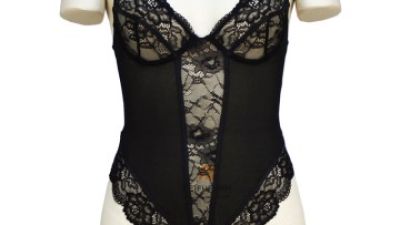
Shapewear’s market outlook reflects growing interest in garments that combine a smoothing silhouette with details suited to everyday styling and special occasions. From an industry-report perspective, products that balance function, comfort, and visual appeal speak to shoppers looking for more than basic compression wear. A deep-V neckline and lace cutouts give this bodysuit a lingerie-inspired look, while its sleeveless shape can be layered beneath other clothing or worn as part of an outfit.
Style 225899 is a black, deep-V sleeveless thong bodysuit made from 90% polyamide and 10% elastane. Its design includes a lace hollow-out bust and a shaping construction intended to provide a close-fitting look around the midsection. The listed top size is 75B and the bottom size is S. As preferences continue to favor shapewear that pairs a sculpted appearance with distinctive design, pieces like this illustrate how intimate apparel can bring together silhouette-focused styling and decorative lace.
Check torso length, bust, hips, and stretch recovery separately. A matching waist measurement can still leave fabric pulling across the shoulders.
Ask testers to sit, reach, and fasten the gusset. Watch for digging straps, shoulder strain, or loose fabric. Test after washing, too. Small details matter.
Explain what to do when bust and hip measurements fall into different size brackets. A longer torso may need a different fit, even with the same waist measurement.
Build it around measured fit trials, not labels alone. Record where garments strain or gape. A wider range can still miss long torsos; review the grading carefully.
Request a current size run, fabric composition, test reports, and production references. Check that records cover the actual factory and materials. A document alone proves little.
Check hook closures, gussets, elastic edges, seam consistency, and stretch recovery. Wash a sample and compare its shape and shade. I would not skip this step.
Define measurements, defect categories, labeling, packaging, and remedies. Confirm order minimums, size ratios, lead times, and rework costs. Keep approved sample details with the purchase order.
Offer entry, mid-priced, and premium choices. Show fabric composition, lining, and adjustable straps beside the price. Stock core shades, but do not assume one neutral suits everyone.
Track sales by size and color, then replenish proven combinations. Record fit-related exchanges separately. Early sales can mislead when one size sells out first. Review the plan after a few weeks.
No. General retail return figures are context, not a lingerie forecast. Use your own exchange records instead. They may still be incomplete.
Choosing the best Lingerie Bodysuit for your store starts with understanding your target customers, their preferences, and how you want your assortment to be positioned. Consider the main bodysuit styles you plan to carry, then compare fabric, construction, and comfort features to find options suited to your customers’ needs. Pay close attention to fit and size availability, including whether the range can serve shoppers with different body types and sizing preferences.
Before placing an order, assess suppliers for product consistency, quality standards, and clear ordering terms. Then build a balanced assortment by setting realistic price points and estimating demand for each style and size. Careful planning can help you offer appealing choices while managing inventory responsibly and creating a product range that fits your store’s identity.