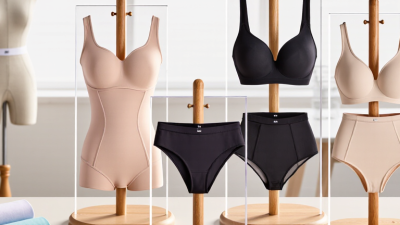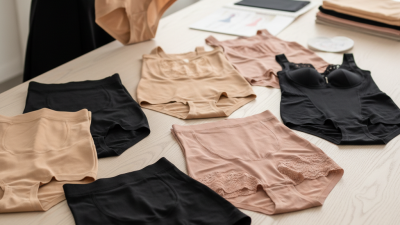
Honestly, picking the right Shapewear Underwear supplier is about a lot more than lining up prices in a spreadsheet. You need someone who actually gets compression levels, fabric recovery, how the body moves, and what daily comfort really feels like. A reliable partner should be able to walk you through how nylon, spandex, cotton, or recycled fibers affect fit and durability—not just give you a sales pitch. And yeah, ask for physical samples. Pretty product photos are nice, but they don’t tell you much. So, have a look at the stitching around the leg openings, check how sturdy the waistband feels, and don’t overlook the gusset construction or the hook-and-eye closures. Honestly, it’s those little details that tend to reveal a lot about production standards.
So, definitely ask for clear info on minimum order quantities, lead times, size grading, packaging, and quality inspections. And if a supplier has real experience, they should be able to give you fabric composition details and actual testing records—stuff like stretch recovery, colorfastness, seam strength, and wash performance. Communication matters too, honestly. A supplier who answers fast but stays vague? That can end up costing you a lot later. Before you jump into bulk production, just make sure the measurements are consistent, the pricing is transparent—no surprise fees—and that approval steps are actually written down. Honestly, those three things can save you a lot of headaches later.
Look, no supplier is perfect—and honestly, that's kind of the point. One factory might have amazing workmanship but barely any customization. Another could be super flexible with development support, but then ask for bigger order volumes. So when you're evaluating them, focus on what your brand actually needs—not some perfect checklist. If you can, go see the production site in person. If not, set up a video tour and make sure you get a look at the sample rooms and packing areas. And definitely read customer feedback closely, but keep in mind that every business has its own standards. When you're looking for a Shapewear Underwear supplier, the best ones tend to tick a few boxes: consistent quality you can rely on, fair and ethical working practices, delivery timelines that actually make sense, and a team that gets back to you and works with you. But here's the thing — a great supplier won't just deliver the goods. They'll also help you spot the weak spots in your product or process before your customers ever notice them.
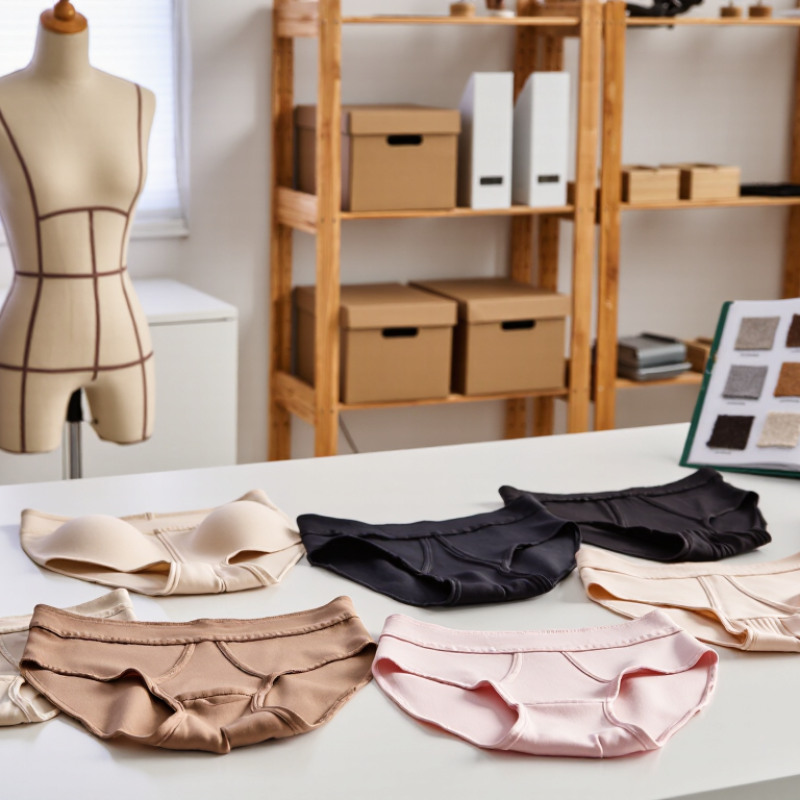
Defining your shapewear requirements is the practical starting point for choosing a reliable supplier. Decide the garment’s purpose, target wearer, compression level, and daily use. A waist brief for office wear needs different construction than firm-control shapewear for formal clothing. Record preferred fabrics, size ranges, colors, gusset design, and packaging needs. Be specific.
Business goals must guide every product decision. Set a target retail price, expected order volume, launch date, and acceptable defect rate. Ask whether you need small test orders or stable large-scale production. Suppliers should explain fabric composition, measurement tolerances, production capacity, and quality-control procedures. Request samples in several sizes, not just one attractive sample. A garment can feel smooth on a model but pinch during eight hours of wear.
Test the samples yourself, if possible. Check seam strength after repeated stretching, recovery after washing, odor, transparency, and rolling at the waist. Measure the garment against your specification sheet. Keep photos and written records. This creates useful evidence during supplier discussions. I would also leave room for revision. Early specifications are rarely perfect, especially when customer feedback is limited. Avoid choosing the lowest quote before understanding fabric quality, sampling costs, lead times, and communication standards. Clear requirements reduce confusion, but honest testing reveals what the first plan missed.
Choosing a Control Underwear supplier requires more than attractive samples and quick replies. Assess technical experience with compression, recovery, gussets, and skin-contact fabrics. A capable team should explain denier, elastane ratios, stitching tension, and grading across sizes. Ask for pre-production samples, wash-test records, and measurement tolerances. Grand View Research valued the global shapewear market at about USD 2.3 billion in 2022. Its report projects roughly 8.5% annual growth through 2030. This growth increases pressure on suppliers to deliver repeatable quality, not merely attractive prototypes. Experience must be visible.
Review factory capacity through machine lists, monthly output, and peak-season planning. Ask whether capacity includes cutting, bonding, dyeing, and final inspection. Some factories quietly rely on subcontractors. That matters. Textile Exchange’s 2024 Materials Market Report states that polyester represented 59% of global fiber production in 2023. Therefore, confirm recycled-content claims, material traceability, and fabric consistency. Also check whether the product range covers light-support briefs, high-compression shorts, seamless styles, and maternity fits. Range should reflect engineering depth, not a crowded catalog. Request independent test evidence for colorfastness, stretch recovery, pilling, and wash durability. A supplier may quote impressive capacity but miss one delivery window. I would record pilot-order defects and communication gaps before scaling. That small test often reveals more than a polished factory tour.
| Evaluation Dimension | What to Assess | Reliable Benchmark | Evidence to Request | Why It Matters | Suggested Weight |
|---|---|---|---|---|---|
| Shapewear Expertise | Experience with compression levels, body-contouring construction, bonded seams, gussets, and size grading. | At least 5 years of documented experience in shapewear or close-fitting intimate apparel. | Product development portfolio, technical packs, fit-test records, and customer references. | Specialized construction knowledge reduces fit problems, rolling, discomfort, and returns. | 20% |
| Technical Development | Pattern making, 3D sampling, fabric testing, prototype revisions, and grading across the requested size range. | A documented sample process with measurable approval stages and 2–3 prototype revision cycles. | Pattern files, development calendar, measurement specification, and sample approval forms. | Clear development controls improve fit consistency and shorten product-launch delays. | 15% |
| Manufacturing Capacity | Monthly output, sewing lines, cutting capacity, bonding equipment, workforce stability, and peak-season flexibility. | Capacity should exceed the forecast order volume by approximately 20–30% to allow for peaks and rework. | Capacity statement, production-line list, recent utilization data, and factory audit report. | Adequate spare capacity supports reliable delivery and reduces production bottlenecks. | 20% |
| Minimum Order Quantity | MOQ by style, color, size ratio, fabric, and customization level. | Development-friendly suppliers commonly offer lower trial quantities, while bulk programs may require 500–2,000 pieces per style or color. | Written MOQ schedule, sample-order terms, color MOQ, and repeat-order policy. | A suitable MOQ reduces inventory risk and makes market testing more practical. | 10% |
| Product Range | Availability of bodysuits, waist cinchers, shaping shorts, high-waisted briefs, slips, bras, and post-partum styles. | A balanced range should cover at least 4–6 core shapewear categories and multiple compression levels. | Current product catalogue, fabric library, compression options, and size chart. | A broader range enables category expansion and reduces the need to manage multiple suppliers. | 15% |
| Quality Management | Incoming-material inspection, in-line checks, final inspection, measurement tolerance, and defect handling. | Documented inspection procedures using an agreed AQL standard, commonly AQL 2.5 for general defects. | Quality manual, inspection reports, corrective-action records, and pre-shipment inspection results. | Consistent controls protect fit, appearance, durability, and customer satisfaction. | 10% |
| Material and Compliance | Fiber composition, colorfastness, stretch recovery, skin-contact safety, restricted substances, and labeling compliance. | Materials should meet the destination market’s applicable requirements, such as REACH-related chemical restrictions and textile labeling rules. | Laboratory test reports, material declarations, fiber-content records, and compliance certificates. | Verified materials reduce regulatory, safety, and marketplace-compliance risks. | 10% |
| Lead Time and Delivery | Sample lead time, bulk production lead time, fabric availability, capacity reservation, and on-time delivery history. | Typical benchmarks are 7–21 days for samples and approximately 30–60 days for bulk production after approval, depending on complexity and materials. | Production schedule, fabric booking confirmation, shipment history, and agreed delivery terms. | Predictable delivery supports inventory planning, promotions, and customer availability. | 5% |
| Customization Capability | Ability to modify compression, fabric blend, trims, labels, packaging, colors, size range, and packaging specifications. | Supplier should provide written confirmation of each customization point, associated tooling costs, and minimum quantities. | Customization matrix, development quotation, packaging specifications, and intellectual-property protection terms. | Strong customization capability helps create differentiated products instead of generic catalogue items. | 5% |
When evaluating a shapewear underwear supplier, start with the fabric, not attractive product photos. Ask for fiber composition, fabric weight, stretch direction, and recovery data. A sample should feel smooth, but softness alone proves little. I inspect the gusset, waistband, and bonded edges after repeated stretching. Then I wash the sample according to its care label. Color bleeding, twisting, or loose threads reveal weak production control. Suppliers should provide current test reports for colorfastness, restricted substances, and fabric durability. Reports need laboratory details and matching material codes. Generic certificates are not enough.
Sizing deserves equal attention. Request a measurement chart with waist, hip, rise, and thigh values. Confirm the measuring method and acceptable tolerance. Different factories may call the same garment “medium” while producing very different dimensions. Ask for graded patterns across every size and fit samples on people with varied body shapes. A sample that fits one model can still pinch another wearer’s ribs. I also check whether compression remains comfortable during sitting and walking. This is where my earlier reviews were incomplete. I focused too much on appearance.
Product safety should be documented before bulk purchasing. Check seam strength, sharp trim, odor, skin-contact materials, and care instructions. For elastic components, ask about latex content and suitable alternatives for sensitive users. Confirm the supplier follows safety requirements for your sales market. Keep approval samples and record batch numbers for traceability. Small details matter. A reliable supplier accepts independent inspection and explains failed tests openly. If answers change between emails, pause the order and request evidence. Slimming Underwear should support confident movement, not create pressure that users cannot tolerate.
Choosing a shapewear underwear supplier requires more than comparing the lowest quotation. Grand View Research valued the global shapewear market at approximately USD 2.1 billion in 2023, with projected growth through 2030. Allied Market Research forecasts a different trajectory, reaching nearly USD 3.9 billion by 2031. The gap shows why market reports need careful interpretation.
Customization usually begins with fabric compression, gusset construction, waistband height, stitching, labels, packaging, and size grading. Ask for a physical sample, not only digital drawings. Test it after washing, stretching, and wearing for several hours. Fit matters more. A supplier offering many options may still lack technical consistency. I have seen attractive samples fail at seam recovery and edge bonding.
Minimum order quantities can change the real price. Request separate quotations for development samples, bulk units, custom molds, labels, packaging, and freight. A low MOQ may produce a higher unit cost, while a large MOQ can trap cash in slow-moving sizes. Ask whether colors share one MOQ or require separate quantities. Confirm payment stages and remake policies in writing. Compare the delivered cost, not the factory price alone. McKinsey’s State of Fashion reporting repeatedly highlights margin pressure and inventory risk across apparel supply chains, making flexible replenishment valuable. However, flexibility is rarely free. A supplier with transparent calculations, documented testing, and realistic lead times is often safer than the cheapest offer. I would still challenge every estimate. Forecasts can be wrong.
How to Choose the Best Shapewear Underwear Supplier?
A reliable supplier should provide current certifications with clear scopes, not blurred screenshots. Check whether the documents cover textile safety, factory management, and quality systems. Certification names matter less than verification details. Confirm the issuing body, expiration date, factory address, and tested product category. A supplier offering Butt Lift Underwear should also explain its compression level and material composition. Ask for test reports covering colorfastness, stretch recovery, seam strength, and skin-contact safety. These details reveal more than polished sales language.
Tips: Request one complete sample set before placing a large order. Compare measurements against the approved size chart. Wash each sample as customers would. Check whether the waistband rolls, stitching irritates skin, or shaping panels lose tension. Keep written records, even for small issues. Small issues become expensive later.
Quality control should continue beyond the sample room. Ask for the inspection stages, defect limits, needle-control process, and final packing checks. A strong supplier can show inspection photos, batch records, and corrective-action reports. Review how they handle failed samples. Do they revise patterns, replace fabric, or simply promise improvement? I once underestimated minor size variation; it later affected customer fit. That mistake still matters. Sample procedures should include revisions, approval signatures, and a final pre-production sample. Do not approve from photos alone. Feel the fabric. Measure the garment. Test it repeatedly.
Choosing a shapewear underwear supplier requires more than comparing unit prices. Communication often reveals production discipline. Ask how quickly the supplier answers technical questions, confirms measurements, and reports problems. Clear replies should include fabric composition, size tolerances, packaging details, and realistic production dates. Vague promises create expensive surprises.
Request a sample of Control Top Underwear before discussing large quantities. Check waistband recovery, stitching, compression levels, and comfort after several hours. Ask whether the sample matches bulk production. I once accepted a well-made sample without confirming its grading rules. The larger shipment fitted differently. That mistake taught me to approve a size chart, measurement tolerance, and pre-production sample in writing.
Shipping terms deserve equal attention. Confirm the agreed Incoterm, shipment responsibility, insurance coverage, carton dimensions, and required documents. Separate production time from transit time. A supplier promising “fast delivery” may only mean the goods leave the factory quickly. Ask for milestones, such as fabric arrival, cutting, sewing, inspection, and dispatch. Long-term reliability appears through repeated performance. Review delivery records, defect rates, replacement policies, and backup production capacity. Request two or three trade references when possible. If communication becomes slow after payment, reconsider the relationship. Small warning signs matter. Even experienced buyers miss them sometimes.
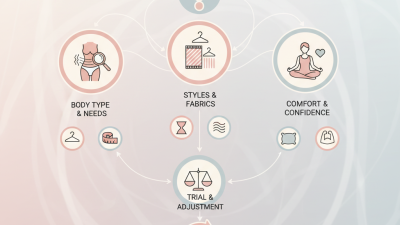
A practical procurement weighting model for comparing suppliers without relying on company or brand data. Communication, shipping terms, and long-term reliability receive the highest priority because they directly affect execution risk, delivery performance, and continuity of supply.
Score interpretation: the percentages represent recommended importance in a supplier evaluation. Review each supplier against the same criteria using documented evidence such as response times, Incoterms, shipment records, quality reports, compliance documents, and production capacity.
The 2025 swimwear market is placing greater emphasis on designs that combine flattering silhouettes, comfort, and versatile styling. High-waist swimsuits continue to attract attention because they provide balanced coverage while defining the waistline. The Lady High Waist Swimsuit Summer Push Up Wire Bra Set reflects this direction with a structured wire bra, supportive push-up shaping, and a refined ribbed texture that adds visual depth to a clean, modern look.
Made from 90% polyamide and 10% elastane, this two-piece set offers a flexible fit suited to movement in and around the water. The high-waist bottom creates a polished proportion and can provide a secure, comfortable feel during summer activities. Its elegant white color gives the design a fresh appearance, while the contrast-color detailing adds a subtle fashion accent without overwhelming the overall style.
Style K172937+38 is available with a 75B top and S bottom, making it a focused option for shoppers seeking a coordinated fit. As 2025 swimwear preferences continue to favor practical details alongside feminine design, features such as ribbed fabric, supportive construction, and adjustable outfit versatility help this set transition from poolside lounging to beach travel and resort wear.
Customization may include compression level, gusset design, waistband height, stitching, labels, packaging, and size grading. A physical sample reveals more than digital drawings.
Washing can expose shrinking, color loss, waistband rolling, and weak seam recovery. Wear each sample for several hours. Comfort may change.
Request separate costs for samples, bulk units, molds, labels, packaging, and freight. Compare delivered cost, not only the factory quotation.
Confirm whether colors share one minimum or require separate quantities. A low minimum may increase unit cost. A large order may trap cash in slow-moving sizes.
Request current documents with clear scopes and readable details. Check the issuing body, expiration date, factory address, and tested product category. Blurred screenshots are not enough.
Ask for reports on colorfastness, stretch recovery, seam strength, and skin-contact safety. Test the garment after repeated washing and stretching. Small failures matter.
Ask about inspection stages, defect limits, needle control, packing checks, and batch records. Inspection photos and corrective-action reports provide useful evidence.
Use written revisions, measurement checks, approval signatures, and a final pre-production sample. Do not approve from photos alone. Measure the garment.
Flexible replenishment can reduce excess inventory, but it may cost more. Confirm payment stages, remake policies, and delivery timing in writing. Forecasts can be wrong.
Choosing the best Shapewear Underwear supplier starts with clearly defining your product requirements, target customers, and business objectives. Consider the desired styles, compression levels, materials, size range, and intended market before evaluating potential partners. A reliable supplier should demonstrate relevant expertise, sufficient manufacturing capacity, and a product range that matches your needs. It is also important to verify fabric quality, sizing consistency, comfort, durability, and product safety through detailed specifications and samples.
When comparing suppliers, review their customization capabilities, minimum order quantities, pricing structure, and production flexibility. Check available certifications, quality-control procedures, inspection standards, and sample approval processes to reduce production risks. Clear communication is equally essential, particularly regarding lead times, shipping terms, payment conditions, and after-sales support. By assessing both immediate requirements and long-term reliability, you can select a supplier capable of delivering consistent quality, supporting business growth, and maintaining dependable cooperation over time.