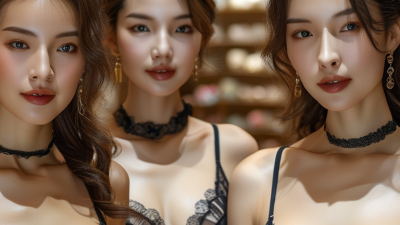
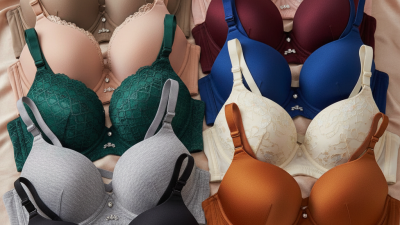
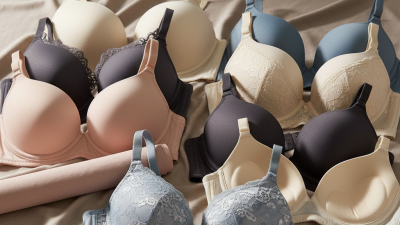
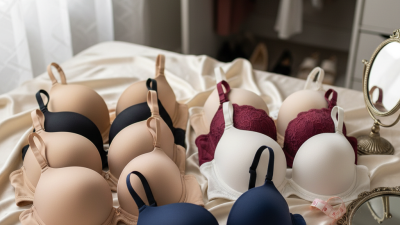
In today’s fashion scene, padded bras still really catch the eye of buyers around the world. They’re actually a good reflection of how people’s tastes are changing and how designers are coming up with new, innovative styles. According to a report from Statista on the Global Intimate Apparel Market, just the padded bra part is expected to hit about $12 billion by 2025. Crazy, right? That really shows how much folks are looking for both comfort and style these days.
Jessica Turner, who’s an industry pro from Intimate Apparel Insights, points out that, “Nowadays, consumers care about both how it looks and how it functions in a padded bra.” It’s all about striking that balance between looking good and feeling comfortable. Of course, brands face some challenges, especially since everyone’s body types and personal preferences are different.
As the market grows and evolves, the pressure to get creative and stand out only ramps up. Manufacturers need to put more focus on using sustainable materials while staying competitive. Even though we’ve seen quite a bit of progress, there are still some people who aren’t totally happy with how their Padded Bras fit or support them. Retailers need to pay attention to these concerns if they want to keep their customers coming back.
Overall, the market’s exciting and full of potential, but it really calls for ongoing efforts around quality and making sure everyone feels included and comfortable in what they wear.
Emerging Technologies in Padded Bra Design
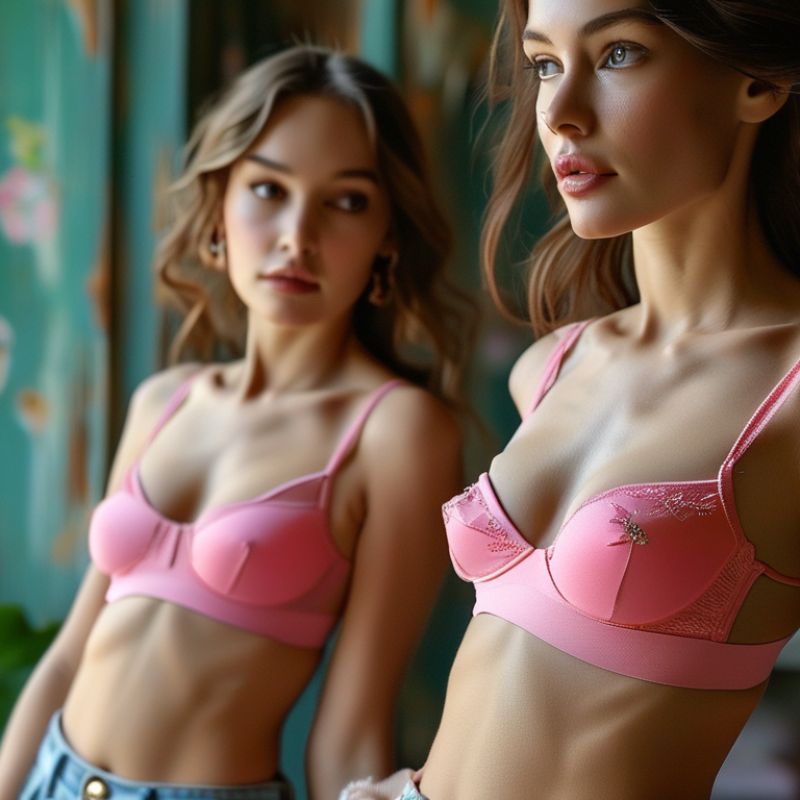
Padded bras are evolving rapidly. Designers are now incorporating advanced fabrics and technology into their creations. Many newer models feature moisture-wicking materials and seamless construction. These innovations enhance comfort and support throughout the day.
One trend gaining traction is the use of smart textiles. These materials can adapt to body temperature and provide customized support. With options for adjustable padding, women can find their perfect fit. However, the durability of these high-tech fabrics can be a concern. Some users report they lose shape over time.
Choosing the right padded bra involves understanding your specific needs. Consider factors like daily activity level and desired look. Also, keep in mind that sizing can vary significantly between different styles. It's essential to try on multiple options to find what feels best. Prioritizing comfort over aesthetics might not be glamorous, but it pays off in the long run.
Popular Materials Used in Modern Padded Bras
The evolution of padded bras has seen a significant shift towards innovative materials. Cotton stands out for its softness and breathability. This fabric offers comfort for daily wear. Meanwhile, sleek fabrics like microfiber provide a smooth finish under clothing. These materials often feature in Padded Sports Bras, enhancing both support and flexibility.
Moreover, eco-friendly options are on the rise. Bamboo and recycled fabrics are becoming popular choices. They are not only sustainable but also hypoallergenic. However, some may find these materials less durable compared to traditional fabrics. The balance between comfort and longevity remains a topic for many buyers.
In addition to materials, the design plays a crucial role. Features like removable padding and adjustable straps cater to different needs. Nevertheless, finding the perfect fit can be challenging. Many buyers still struggle with sizing discrepancies and discomfort. As trends evolve, the journey to perfect padded bras continues.
Market Demands and Consumer Preferences for Padded Bras
The demand for padded bras has significantly evolved, driven by changing consumer preferences. According to a recent market research report, the global padded bra market is expected to reach $10 billion by 2025, growing at a CAGR of 7% from 2020. This growth reflects a rising awareness around body positivity and self-expression, leading to a search for comfort and style. Consumers increasingly prefer versatile designs that offer both functionality and aesthetic appeal.
Insights from the survey indicate that approximately 54% of women prioritize comfort when selecting padded bras. This preference has led manufacturers to innovate with breathable materials and adjustable features. However, there remains a gap in catering to diverse body shapes. Many brands still offer a limited size range, making it challenging for some consumers to find the right fit.
Another trend is the growing interest in sustainable practices. A study revealed that 67% of consumers are willing to pay more for eco-friendly lingerie. Despite this, many brands are slow to adopt sustainable materials and practices. This inconsistency highlights a need for greater transparency in sourcing and production methods. Addressing these issues can create a more inclusive and environmentally conscious market.
Latest Trends in Padded Bras for Global Buyers
| Region | Popular Styles | Key Features | Consumer Preferences | Market Growth Rate (2023) |
| North America | Push-up, Wireless | Comfort, Lift, Versatility | Preference for sustainable materials | 12% |
| Europe | Maternity, Lace Trim | Aesthetic Appeal, Support | Desire for luxury brands | 9% |
| Asia-Pacific | Sports, Seamless | Breathability, Flexibility | Focus on affordability | 15% |
| Latin America | Underwire, Full Coverage | Support, Style | Trend towards body positivity | 10% |
| Middle East & Africa | Balconette, Sports | Modesty, Comfort | Cultural considerations in design | 8% |
Sustainability Trends Influencing Padded Bra Production
Sustainability is shaping the future of padded bra production. Many manufacturers are shifting towards eco-friendly materials. Organic cotton, recycled polyester, and biodegradable fabrics are becoming popular choices. These materials reduce the environmental impact and attract eco-conscious consumers. Brands that embrace sustainability can build trust with buyers.
However, the journey is not without challenges. Achieving high-performance standards while using sustainable materials can be tough. Some padded bras might compromise on comfort or support. Manufacturers must find a balance. It's crucial to keep refining their processes. Consumer feedback should guide these improvements.
The push for ethical production practices is also noteworthy. Transparency in sourcing materials is increasingly requested. Buyers want to know where and how their bras are made. This shift has led to more brands adopting fair labor practices. Yet, not every company meets these standards. Continuous scrutiny will help elevate industry benchmarks. These developments create a more responsible market for Sexy Bras. Each step towards sustainability counts.
Global Brands Leading the Padded Bra Market
The padded bra market is evolving rapidly. A recent report shows that the global padded bra market is expected to grow at a compound annual growth rate (CAGR) of 9.3% from 2023 to 2028. This growth signifies a noticeable shift in consumer preferences towards comfort and support.
Several global brands are dominating this landscape. They focus on innovative designs that blend functionality with aesthetic appeal. For instance, seamless technology and eco-friendly materials are increasingly popular among consumers. Analysts point out that 70% of women prefer bras that offer both style and comfort. This reflects a profound change in buying habits, driven by the desire for everyday wearability.
However, some challenges remain. Sizing inconsistencies can lead to frustration among buyers. Additionally, the rise of online shopping complicates the fitting process. Many women report receiving padded bras that don’t match their expectations. Addressing these issues will be crucial for brands aiming to lead in this competitive space. The padded bra market is poised for growth, but brands must adapt to consumer feedback and evolving trends.
Fashion Influences Shaping Padded Bra Styles
Padded bras are experiencing a significant transformation, driven by evolving fashion influences. The global padded bra market is projected to grow by 6.5% annually, according to recent industry reports. This growth is fueled by consumers’ increased interest in both comfort and style. Modern designs often incorporate sustainable materials, aligning with eco-conscious trends.
Fashion influences play a crucial role in shaping padded bra styles. Social media platforms showcase diverse body types, encouraging brands to offer inclusive sizes. Lace Bras are particularly popular as they combine elegance with functionality. This trend highlights the importance of comfort without compromising style.
For buyers, it’s essential to consider the fit and feel of padded bras. Trying on different styles can lead to discovering what works best for individual needs. Balancing style and support is vital. Remember, while trends are important, personal comfort should always come first. Embrace the changes in bra fashion, and don’t hesitate to explore various options that align with your personal style.
Regional Differences in Padded Bra Trends Worldwide
Global buyers are witnessing diverse trends in padded bras that reflect regional preferences and cultural influences. According to industry reports, the Asia-Pacific region shows a growing demand for bras that emphasize comfort without sacrificing style. In countries like Japan, the focus is on seamless designs that cater to daily wear. A recent study indicated that the padded bra market in Asia is projected to grow by 8% annually between 2022 and 2027.
In contrast, the European market exhibits a preference for sustainability. Many European brands have started incorporating eco-friendly materials into their padded bras. An interest in body positivity is also shaping trends, with a rise in demand for more inclusive sizing options. Reports suggest that sales for inclusive and versatile Padded Bras increased by around 15% in the last year alone across several major markets.
North America demonstrates a different dynamic. Here, consumer interest leans towards innovative functionalities, such as bras designed for specific activities like sports or low-cut outfits. The popularity of Plunge Bras has been significant, offering a blend of elegance and support. However, there's a need to address potential issues like manufacturing inconsistencies that can compromise quality. Understanding these regional differences is crucial for brands aiming to meet the diverse needs of global customers.
FAQS
: Common materials include cotton, microfiber, bamboo, and recycled fabrics. Each offers unique benefits.
Cotton is soft and breathable. It provides comfort for daily wear, making it a favored option.
Eco-friendly materials may be less durable than traditional options. Comfort and longevity can sometimes be at odds.
Design features like removable padding and adjustable straps enhance comfort. However, finding the right fit can be challenging.
Yes, many manufacturers are adopting eco-friendly materials. This shift aims to reduce environmental impact but may compromise comfort.
Asia favors comfort-driven designs, Europe leans towards sustainability, and North America seeks innovative functionalities.
Yes, transparency in sourcing and fair labor practices are increasingly important. Buyers want assurance about how products are made.
Yes, there's a rising demand for inclusive sizing in many markets. This reflects a growing interest in body positivity.
Balancing performance with sustainability can be tough. Manufacturers must continually refine processes based on consumer feedback.
Preferences vary widely by region, highlighting the need for brands to understand local tastes and demands in their offerings.
Conclusion
The article "Latest Trends in Padded Bras for Global Buyers" explores the innovative advancements and evolving preferences in the padded bra market. It highlights emerging technologies that enhance design and comfort, along with popular materials that are becoming staples in modern padded bras. The consumer preferences are shifting towards more sustainable options, influenced by increasing awareness of environmental impacts.
Additionally, the article examines how fashion trends are reshaping padded bra styles and the regional variations that exist worldwide in terms of design and demand. Overall, the landscape of padded bras is rapidly changing, driven by a mix of technological innovation, consumer consciousness, and distinctive cultural influences.