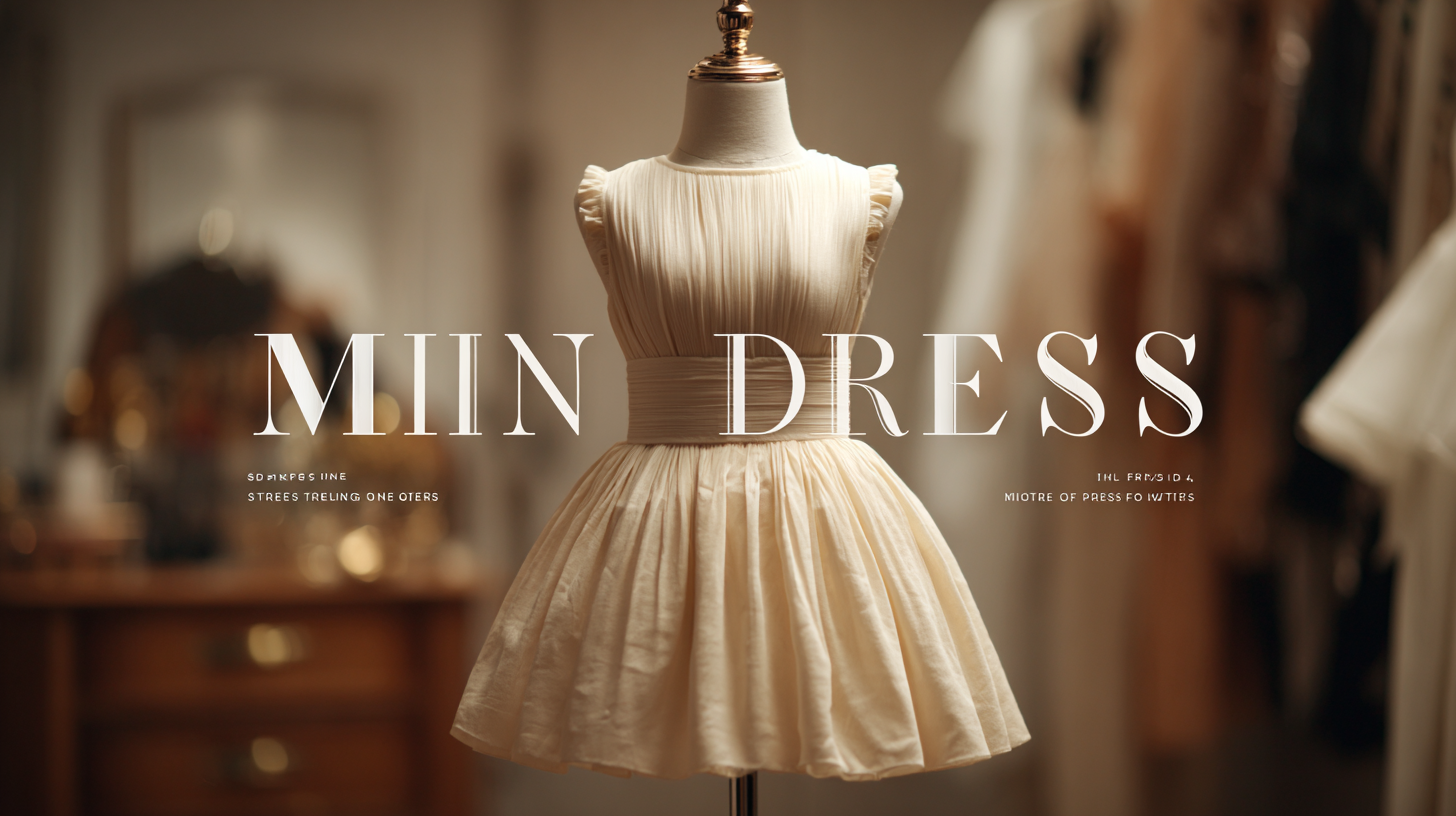
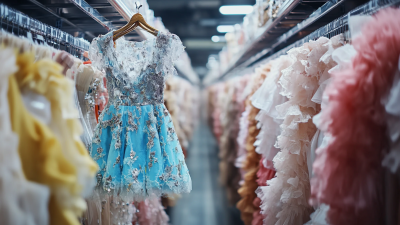
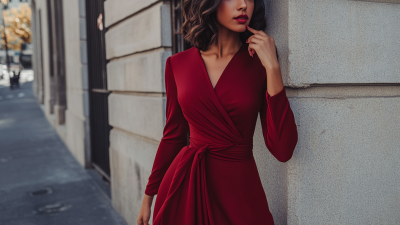
You know, with fashion trends changing faster than ever, finding the perfect Mini Dress has become a bit of a struggle for markets everywhere. A recent Global Apparel Market Report even suggests that the women's dress sector is set to hit a whopping $235 billion by 2024! And that's largely because shoppers are looking for more variety and unique styles these days. But here's the catch: as the market expands, it gets trickier to keep up with the different standards that vary so much from place to place. Take Okleebody Co., Ltd. for example; they’ve been around since 2006 and are leading the charge in this space by focusing on high-quality lingerie for women and stylish underwear for men. Being a big player in the export industry, Okleebody really gets that sourcing trendy Mini Dresses that meet the different production standards is key to staying competitive globally.
Exploring the Current Trends in Mini Dress Design for Global Consumers
You know, the mini dress has really become a must-have in women’s fashion—it’s like a timeless piece that works no matter the season or where you are in the world. With shoppers becoming a lot more picky about what they wear, brands are kinda stuck trying to find that sweet spot between the classic look of mini dresses and the latest trends that people really vibe with. Right now, it’s all about sustainable materials and making sure there’s something for everyone in terms of size. These days, folks really care about looking good but also making ethical choices in their fashion game. This push is super important for designers, as they need to keep things fresh while still holding on to the charm of these essential pieces.
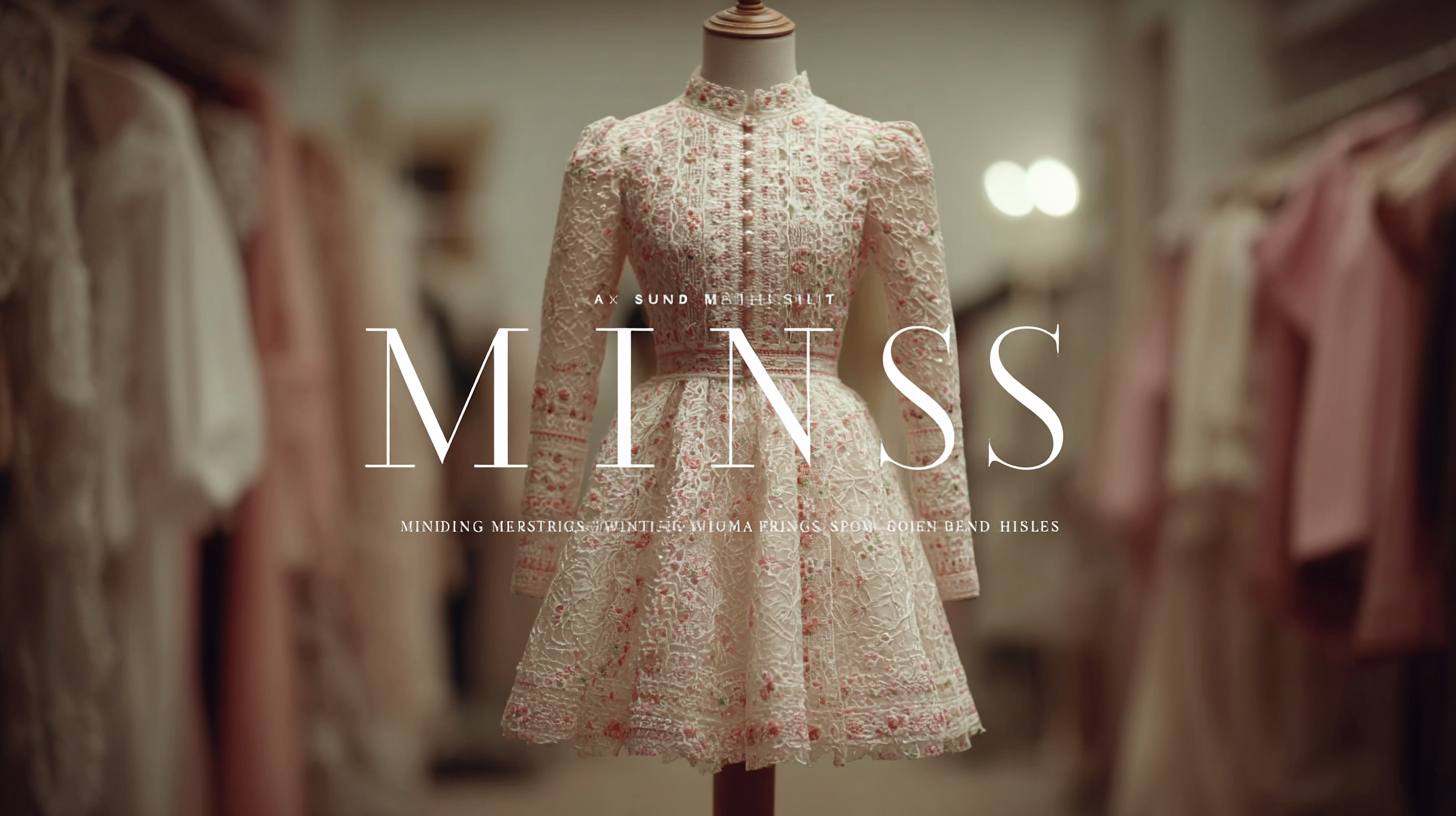
Oh, and let’s not forget about color and patterns—they’re huge in shaping what’s hot in the mini dress world across different markets. Bright prints, funky colors, and cool designs really attract people who want outfits that show off their personal style. Brands are getting creative, too, playing around with asymmetrical cuts and layering options to make sure there’s something for everyone, no matter the weather or culture. As mini dresses keep stealing the spotlight, it’s crucial for brands to really get a feel for the local trends. That way, they can whip up collections that genuinely resonate with their diverse customers, helping them stay in the game in this fast-changing global fashion scene.
Challenges in Sourcing Quality Fabrics and Materials for Mini Dresses
Getting the right fabrics and materials for mini dresses can be pretty tricky for designers who are looking to hit global markets. One major hurdle is the crazy number of fabric choices out there. You've got everything from super light cottons to those fancy silks, and each one comes with its own pros and cons. Designers really need to think through these choices, not just about how they look, but also how durable and comfy they are. The right fabric can really take a mini dress from blah to wow, but finding the best quality materials usually means a lot of digging around and testing them out.
On top of that, the global supply chain is a bit of a rollercoaster ride. Things like political drama, economic shifts, and even climate issues can really throw a wrench in the works when it comes to getting dependable fabric suppliers. This often leads to production delays, which can seriously affect a designer’s ability to keep up with the latest trends. Sure, buying local can sometimes save some bucks, but it might limit the access to those high-end fabrics that are usually found overseas. The real challenge is finding that sweet spot between quality, cost, and sustainability while making sure the final piece really matches the brand's vibe and what customers are looking for.
Challenges in Sourcing Quality Fabrics for Mini Dresses
The Role of Sustainable Practices in Mini Dress Manufacturing
Hey there! So, have you noticed how the mini dress market is really shifting toward sustainability these days? It’s pretty cool, actually. A lot of this change is happening because more and more people are becoming aware of environmental issues. I read this fascinating report from McKinsey & Company that mentioned the fashion industry generates over 92 million tons of waste each year—yikes! And a big chunk of that comes from fast fashion. So, brands are really stepping up their game to find the best mini dresses, and it’s crucial for them to weave sustainable practices into how they make things. You’ll see companies using eco-friendly materials like organic cotton and recycled polyester more often. Not only does this help the planet, but it also resonates with the growing number of consumers who are seriously into eco-friendly choices.
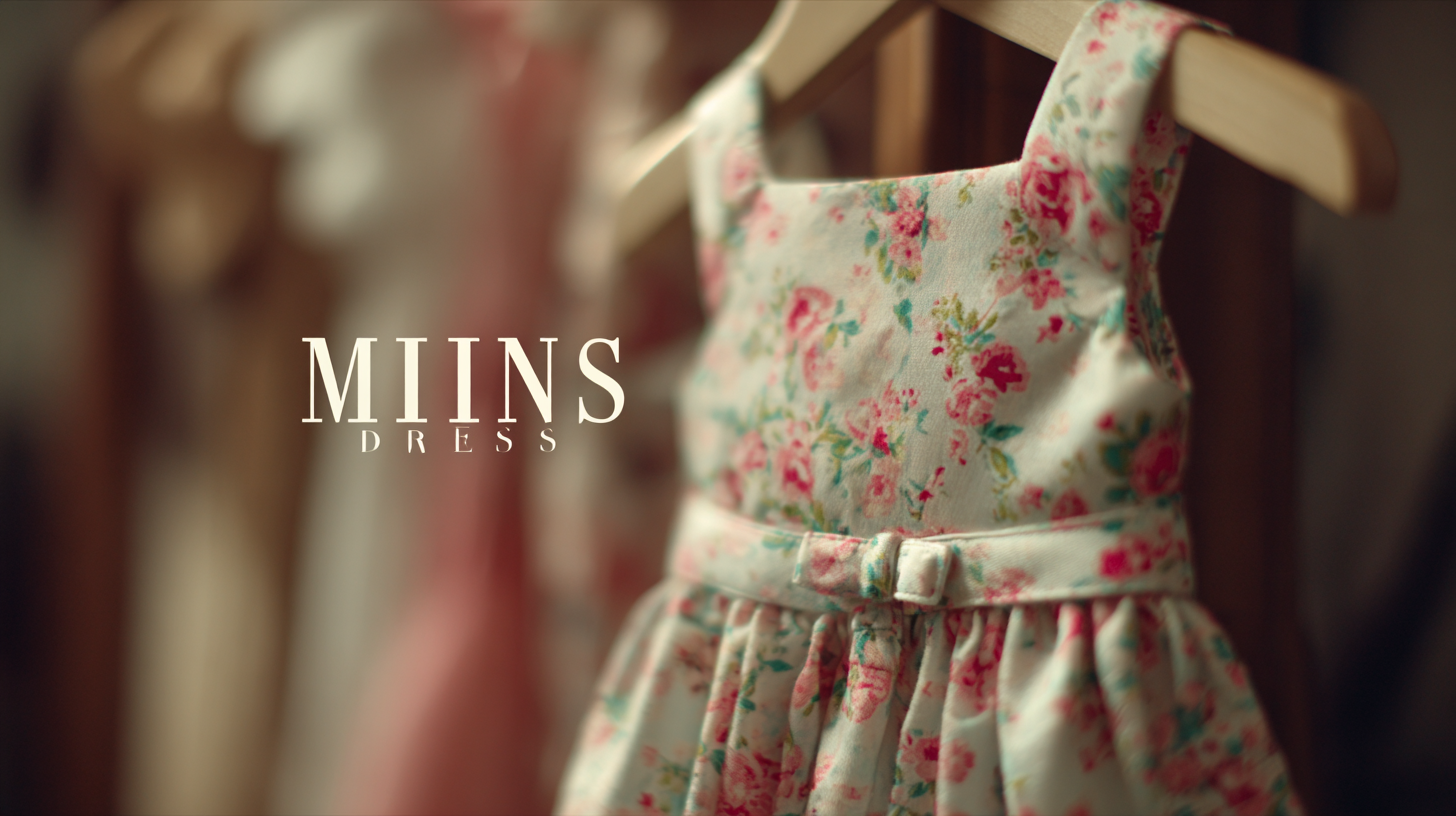
And get this—the whole circular economy thing is really picking up steam in the mini dress arena! The Ellen MacArthur Foundation has been urging brands to focus on durability and recyclability, pushing for innovations like upcycling and rental services. By hopping on this sustainable train, brands can actually cut down their carbon footprint and build more responsible supply chains. You know what’s wild? Recent studies show that 66% of global consumers are totally open to paying a little extra for sustainable brands! That definitely makes a strong case for going eco-friendly in the mini dress market.
Adapting to Cultural Preferences in Mini Dress Styles Across Markets
When you're on the hunt for the perfect mini dress to appeal to global markets, it's super important to get a handle on cultural preferences. I mean, the styles these dresses come in can really differ based on where you are, reflecting everything from local tastes and traditions to everyday lifestyle choices. For example, a recent survey from Market Research Future reveals that the global women's apparel market is set to grow at a rate of about 6.5% yearly from 2021 to 2027. What’s really cool is that there’s a notable demand for versatile styles that match different regional vibes.
Take Asia, for instance. Here, modesty plays a big role in what consumers are looking for. There's a clear trend towards mini dresses that mix contemporary styles with a touch of cultural sensitivity. Reports are saying that around 40% of Asian shoppers prefer designs that weave in traditional elements—like layered styles or longer hemlines—into more modern looks.
Now, flip the script to Western markets, and it’s a whole different ball game. Women in the U.S. go for bold and vibrant styles, with about 70% loving mini dresses for casual outings and parties, according to a study from Statista. These findings really highlight how essential it is for brands to tweak their offerings. It’s all about making sure they hit the right notes with local cultural norms while still keeping that global appeal.
Navigating Supply Chain Complexities in the Mini Dress Industry
So, it looks like the mini dress market is really taking off! A recent report shows that there’s been a boost in global demand, with a projected growth rate of about 5.9% from 2021 to 2028. Pretty impressive, right? But with all this popularity, there are definitely some hurdles to jump over when it comes to finding good quality materials and setting up dependable supply chains. Fashion trends change pretty quickly, so producers have to be ready to adapt fast. Lead times are critical, and being responsive to what the market is doing is super important.
And let’s not forget, the supply chain can be a real headache. A report from McKinsey pointed out that inefficiencies in the fashion supply chain can account for a jaw-dropping 30% of costs tied to logistics and inventory management. It really makes you think! Brands hoping to jump on the mini dress bandwagon have to be smart and flexible in their supply chain strategies. By leveraging technologies like AI and blockchain, they can not only streamline their processes but also make things more transparent. This way, they can deal with the risks of unreliable suppliers and keep up with changing customer preferences. In the end, it’s all about positioning themselves better in this global market!
Understanding the Struggles in Sourcing the Best Mini Dress for Global Markets - Navigating Supply Chain Complexities in the Mini Dress Industry
| Dimension | Value |
| Average Cost per Mini Dress | $25 |
| Lead Time for Production (Days) | 30 |
| Average Shipping Time (Days) | 14 |
| Percentage of Returns | 12% |
| Top Sourcing Countries | China, Vietnam, Bangladesh |
| Common Fabric Types | Cotton, Polyester, Rayon |
| Average Retail Price | $50 |
| Market Growth Rate (Annual) | 8% |
Marketing Strategies for Promoting Mini Dresses in Diverse Global Markets
You know, in the fast-paced world of fashion retail, successfully promoting mini dresses across different global markets really calls for a solid grasp of market vibes and what consumers actually want. I came across some recent stats that show the global women's dress market is set to hit over several billion dollars by 2032—pretty mind-blowing, right? Mini dresses are really becoming a favorite among millennials and Gen-Z shoppers. This all highlights just how crucial it is for brands to come up with tailored marketing strategies that truly connect with different cultural backgrounds and lifestyle needs.
To break into these markets, brands should definitely mix it up with their marketing approach. Think localized promotions, engaging social media content, and teaming up with influencers. For example, it’s crazy but over 70% of young buyers say social media influences their shopping decisions. So, by working with local influencers and using storytelling techniques that resonate with community values, brands can craft some really engaging narratives around their mini dress lines. Plus, offering unique online and offline experiences can boost brand loyalty and attract those shoppers who are on the lookout for something special in fashion.
As companies like Okleebody Co., Ltd. expand globally, embracing different cultural landscapes and fine-tuning their marketing strategies will be key to snagging a bigger slice of the mini dress market pie. If brands can stay innovative and adaptable in their promotional tactics, they might just find themselves leading the pack in this competitive scene.
Embrace Summer Vibes: Your Ultimate Guide to Styling the Long Dress Flora Print Beach Wear for Perfect Vacation Looks
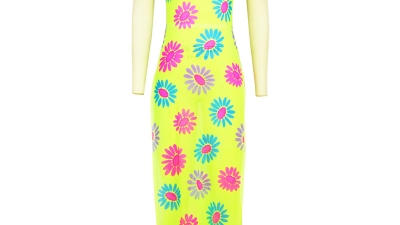
Embrace the carefree essence of summer with the stunning Long Dress Flora Print Beach Wear, the perfect attire for your vacation escapades. This armless, tight-fitting summer dress in a vibrant green is designed to make you stand out against the backdrop of sandy beaches and crystalline waters. The contrast color yellow sum flower print adds a chic touch, ensuring you capture the true spirit of summer. With its breathable fabric composition of 90% polyamide and 10% elastane, this dress guarantees both comfort and style as you soak up the sun or stroll along the shoreline.
Whether you're lounging by the poolside or enjoying a seaside dinner, this dress is versatile enough to transition from day to night effortlessly. Pair it with flip-flops for a casual beach look or dress it up with wedges and a statement necklace for an evening out. The snug fit enhances your silhouette while maintaining ease of movement, making it an ideal choice for all your vacation activities. With sizes available, including a top size of 75B and bottom size S, you can find the perfect fit for this stunning summer essential. So, gear up for your next getaway and let the Long Dress Flora Print Beach Wear be your go-to ensemble for unforgettable summer moments.
FAQS
: Current trends indicate a shift towards sustainable materials and inclusive sizing, with consumers prioritizing style and ethical practices in their fashion choices.
Vibrant prints, bold hues, and intricate designs resonate with consumers looking for pieces that reflect their unique identity, leading brands to experiment with asymmetrical cuts and layering techniques.
Cultural preferences significantly affect mini dress styles, reflecting local tastes, traditions, and lifestyle choices, which brands must consider to meet diverse consumer demands.
In Asia, many consumers prefer mini dresses that blend contemporary styles with cultural sensitivity, often incorporating traditional elements such as layered styles or longer hemlines.
In Western markets, particularly the U.S., there is a strong preference for bold and vibrant designs, with many women favoring mini dresses for casual and party settings.
Brands face challenges related to sourcing quality materials and establishing reliable supply chains, especially with fluctuating fashion trends and the need for responsiveness.
Brands can enhance their supply chain efficiency by adopting agile strategies and technologies like AI and blockchain to improve transparency and manage logistics effectively.
The global women's apparel market is expected to grow at a compound annual growth rate (CAGR) of 6.5% from 2021 to 2027.
Reports indicate that approximately 40% of Asian consumers are inclined towards mini dresses that incorporate traditional elements into modern designs.
Inefficiencies in the fashion supply chain can lead to about 30% of costs being attributed to logistics and inventory management.