Looking to source a Denim Corset Top for your global customers? Well, it’s not just about having eye-catching photos and competitive prices. The real game changer is partnering with someone reliable—someone who can deliver consistent sizing, good quality, and clear, honest communication. Before you give the green light on an order, it's a smart idea to check out the fabric composition, how the boning is structured, the strength of the seams, and how well it holds up after washing. Because at the end of the day, fit is everything, right?
Starting your sourcing journey with verified manufacturer info and recent production samples is a good move. Don’t forget to ask for factory photos, measurements of samples, quality reports, and references from other buyers if possible. Because a physical sample can reveal things like uneven stitching, flimsy eyelets, or uncomfortable pressure points around the ribs—that stuff really matters when someone’s wearing it all day. Those little details can also impact return rates and keep your customers happy or not so happy. If you want to be thorough, independent labs can test fiber content, colorfastness, and overall safety of the materials. And since rules can vary depending on where you're shipping, make sure to double-check the current import and labeling requirements with local experts or customs advisers.
Of course, price is important, but going after the absolute cheapest quote could lead to hidden costs—like reworking, delays, or quality issues that pop up later. It’s worth comparing minimum order quantities, sampling costs, production timelines, packaging options, and inspection processes. Having everything written down in a clear specification sheet really helps keep both sides on the same page. But remember, no sourcing plan is foolproof. One batch might pass inspection with flying colors, but it could be a different story during your busy season. That’s why open, honest discussions about potential risks are so crucial. Start small with a trial order, monitor how it goes, and be ready to tweak your approach based on what you learn. Savvy buyers know that a few small setbacks early on are part of the process—they’re what help you build real trust and reliability, not just promises."
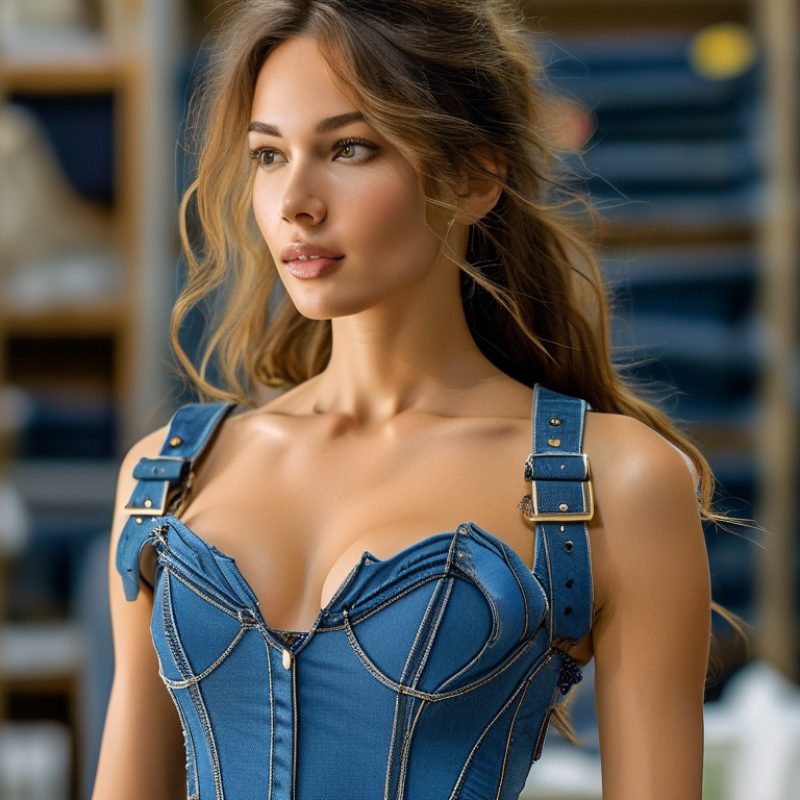
Define the Product Scope and Target Market for Denim Corset Tops
How to Source Denim Corset Tops for Global Buyers?
Define the Product Scope and Target Market for Denim Corset Tops
Before contacting factories, define what the product must be. A Denim Corset top may include boning, adjustable straps, metal hardware, or a simple fitted panel design. Record the fabric weight, stretch level, wash effect, size range, and closure type. These details prevent vague quotations and inconsistent samples.
My first sample request often includes too many options. That creates confusion and slows cost comparison. A tighter scope works better. For example, request one rigid denim version and one stretch denim version. Check bust support, seam strength, edge comfort, and color rubbing after washing. A sample that looks attractive may still restrict movement.
Target customers should shape every specification. Trend-focused shoppers may prefer cropped cuts, exposed seams, and light washes. Modest or workwear customers may need wider coverage and softer structure. Plus-size buyers require careful grading, stronger stitching, and accurate measurement charts. Do not assume one pattern fits every market.
Review local labeling, fiber disclosure, flammability, and chemical requirements before production. These rules vary by destination. Ask suppliers for fabric test records and hardware details. Reliable communication matters. I would also test packaging with a real shipment, because bent boning and crushed cartons can damage the customer experience. One issue remains easy to miss: denim shrinkage can change the fit after cleaning.
Identify Reliable Denim Corset Top Manufacturers and Suppliers
Reliable Denim Corset manufacturers should prove capability before offering a low price. Grand View Research valued the global denim market at approximately USD 87.4 billion in 2022, with continued growth expected through 2030. This demand attracts both experienced factories and unverified trading companies. Request a factory profile, export records, production photos, and recent audit documents. Check whether the supplier owns cutting and sewing equipment. A polished website proves very little.
Ask for a physical sample with your target fabric weight, boning structure, seam finish, and wash effect. Measure bust support, waist compression, shrinkage, and colorfastness after washing. Textile Exchange reported that cotton represented about 22% of global fiber production in 2023. Therefore, confirm fiber content through test reports, not only supplier declarations. Require certificates from recognized laboratories for composition, restricted substances, and color migration. Small details matter. Metal eyelets, uneven topstitching, and weak zipper tape often reveal poor process control.
Compare at least three quotations using the same specification sheet. Include fabric origin, minimum order quantity, sampling fees, lead time, packaging, and inspection terms. A cheaper Denim Corset may hide thinner denim or unstable sizing. I have found that supplier communication can look excellent before sampling, then weaken during revisions. That is a warning, not a minor inconvenience. Keep approval samples sealed, record measurements, and use independent pre-shipment inspection. No sourcing process is perfect; even a reliable factory may miss one production detail. Build correction procedures before placing the bulk order.
Evaluate Fabric Quality, Construction, Sizing, and Design Options
When sourcing denim corset tops for global buyers, inspect fabric before discussing price. A reliable sample should show consistent twill lines, firm recovery, and no weak white streaks after light stretching. Check the fiber blend and fabric weight against the approved specification. Heavy denim can support corset shaping, but excessive weight may feel uncomfortable during long wear. Ask for wash-test results. A sample that looks excellent on the table may shrink noticeably after laundering.
Construction deserves close attention. Examine panel seams, topstitching, boning channels, eyelets, and waist closures. Stitch density should remain even around curved areas. Pull the corset gently near the bust and waist. It should hold its shape without sharp pressure points. I have seen attractive samples fail because the lining twisted after repeated fitting. That mistake is easy to miss.
Sizing must be measured on the finished garment, not only on a factory pattern. Request bust, underbust, waist, length, and strap measurements for every size. Compare them with real body data from target markets. A flexible back panel may improve fit, while rigid denim needs more adjustment space. Design options can include contrast seams, adjustable straps, removable sleeves, or a cropped waist. Keep details practical. A dramatic finish may not survive production.
For buyers developing a Denim Mini Dress collection, matching denim tone and hardware across styles can strengthen the range. Still, do not assume one wash works everywhere. Color perception changes under store lighting and screens. Supplier communication should include photos, measurement sheets, test records, and clear approval dates. Some details remain uncertain until bulk production begins. That risk needs honest review.
Verify Supplier Credentials, Certifications, and Production Capabilities
For denim corset tops, supplier verification should begin with documents, not photographs. Request a current business license, factory address, ownership details, and export history. Cross-check every document with the issuing authority or an independent audit agency. Textile Exchange’s Materials Market Report 2024 recorded 124 million tonnes of global fiber production in 2023. That scale makes traceability essential, especially for cotton, recycled fibers, and blended denim.
Ask whether certificates cover the actual factory. OEKO-TEX Standard 100 tests harmful substances in products, while GOTS covers certified organic fibers and processing requirements. Neither certificate proves excellent corset construction. Review audit scope, expiry dates, transaction records, and certificate numbers. Then inspect production capability: denim weight, stretch recovery, spiral boning, seam reinforcement, wash consistency, and metal-trim testing. Request recent lab reports and a pre-production sample. A supplier may claim 50,000 pieces monthly, but production records should support that figure. Capacity claims can be optimistic.
Tip: Arrange a live factory video call. Ask operators to show cutting, sewing, pressing, inspection, and packing areas. Compare the displayed equipment with your technical pack. Require a size-set sample, not only one showroom piece. Check neckline stability after movement, because a beautiful sample can still fail during wear. I would also test shrinkage after washing. This step is often missed, including by experienced buyers. Keep signed specifications, inspection points, and corrective-action records in one shared file. Clear evidence is more reliable than confident promises.
Compare Pricing, Minimum Orders, Samples, and Customization Terms
When sourcing a denim Corset Top, compare more than the factory’s unit quote. Ask for pricing at several quantities, such as 100, 300, and 1,000 pieces. Include fabric weight, wash, hardware, packaging, and inspection fees. A low quote may exclude development costs or export packing. Request prices in one currency. Then calculate the landed cost for your target market. Keep a written quote.
Minimum orders need careful negotiation. Some suppliers set separate MOQs for each color, size range, or wash. A 300-piece order can become 1,200 pieces after four color options. Ask whether mixed sizes and colors are allowed. Confirm the deposit, balance, production lead time, and late-shipment terms. Sample fees should be itemized. Ask whether the fee is refundable after bulk approval. A fit sample reveals pressure points, uneven seams, and weak boning channels before production. Do not approve from photos alone.
Customization terms should describe measurable details. List denim composition, stretch percentage, panel measurements, closure type, labels, wash shade, and tolerance limits. Request a signed tech pack and a pre-production sample. Confirm who pays for pattern changes, revised samples, and failed inspections. In one sourcing review, the unit price looked attractive, but repeated sample changes erased the saving. That result was disappointing, yet useful. Compare total development cost, not only the headline price. Denim shades can shift between batches. Record every approval by date and sample code.
How to Source Denim Corset Tops for Global Buyers?
Benchmark comparison of indicative supplier terms for denim corset tops by sourcing model.
Pricing
Estimated FOB unit prices range from $8.50 to $22.00, depending on fabric weight, construction, and finishing.
Minimum Orders
Lower-risk programs generally start at 50–100 pieces, while custom production often requires 300–500 pieces.
Samples
Sample fees commonly range from $35 to $120, with approximately 7–18 days for development.
Customization
Custom options may include fabric weight, wash, boning, hardware, labels, measurements, and packaging.
Figures are indicative sourcing benchmarks and should be confirmed with suppliers before purchase orders are issued.
Manage Global Shipping, Import Requirements, and Quality Control
Sourcing denim corset tops for global buyers starts with shipping details, not attractive product photos. Ask suppliers for carton dimensions, gross weight, HS classification guidance, and production lead time. A small mistake in carton measurements can raise freight costs sharply. Request a commercial invoice, packing list, and clear country-of-origin information before booking transport. For a Lace Corset Top, confirm whether lace panels need separate material descriptions. Import rules differ by destination. Use a licensed customs broker to verify duties, labeling, textile composition, and required documents.
I recommend testing one pre-production sample and one packed shipment. The first check covers denim weight, stretch recovery, seam strength, boning placement, and zipper movement. The second check reveals crushed cups, moisture exposure, or weak cartons. Use a written inspection sheet with measurements at the bust, waist, and hem. Photograph each defect beside a ruler. That evidence supports fair claims and helps factories correct patterns quickly. Do not approve color from a screen alone. Indigo can shift under warehouse lighting.
Global delivery also needs realistic scheduling. Build time for port congestion, customs questions, and local holidays. Ask for tracking milestones, insurance terms, and a contact for damaged cargo. I once treated a perfect sample as final approval, and the bulk run exposed uneven topstitching. That mistake was avoidable. Now, I reserve a random final inspection before releasing the balance payment. It costs time, but unreliable quality costs more through returns, delays, and lost buyer trust.
Luxury Structured Fabric Bikinis: Market Insights from Grand View Research’s 2024 Swimwear Report
Luxury structured fabric bikinis are gaining attention as swimwear moves beyond seasonal basics toward refined design, supportive construction, and versatile styling. According to Grand View Research’s 2024 Swimwear Market Report, the global swimwear market was valued at approximately USD 20.12 billion in 2023 and is projected to expand at a compound annual growth rate of about 4.5% from 2024 to 2030. This growth reflects continued interest in premium materials, distinctive silhouettes, and products that combine visual appeal with practical comfort.
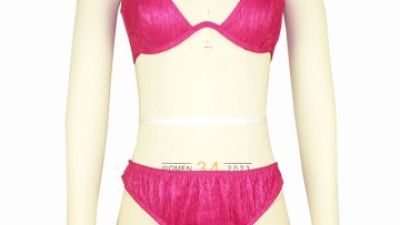
The K173019/20 luxury structured fabric bikini set reflects these market priorities through a coordinated top and bottom designed with a clean, sculpted appearance. Made from 90% polyamide and 10% elastane, the fabric offers a smooth hand feel, flexibility, and shape retention suited to movement. Its rose-red color adds a confident, sophisticated accent, while the 75B top and size S bottom provide a focused fit for curated swimwear collections. Structured fabric can also support a polished profile, making the set suitable for resort wardrobes, poolside styling, and editorial-inspired vacation looks. As consumers increasingly evaluate swimwear through both design and material performance, details such as fabric composition, sizing precision, and construction are becoming important purchase considerations.
FAQS
: Request the business license, factory address, ownership details, and export records. Confirm documents with official sources or an independent auditor. Check that certificates cover the actual production site. Photos can mislead. Arrange a live factory video call.
Review denim weight, stretch recovery, boning placement, seam reinforcement, and wash consistency. Ask workers to show cutting, sewing, pressing, inspection, and packing areas. Compare equipment with your technical specifications. Request recent laboratory reports and production records. Capacity claims may be optimistic.
A single showroom sample cannot reveal every size problem. Request multiple sizes before bulk approval. Check neckline stability after movement and washing. Inspect pressure points, uneven seams, and weak boning channels. I once trusted one attractive sample. That was a mistake.
Request quotes for several quantities, such as 100, 300, and 1,000 pieces. Include fabric, washing, hardware, packaging, inspection, and development costs. Calculate the complete delivered cost for your target market. A low unit price may hide repeated sample fees. Keep every quote in writing.
Ask whether minimums apply separately to colors, sizes, and washes. A 300-piece order may become 1,200 pieces across four color options. Confirm mixed-size and mixed-color ordering rules. Record deposits, balances, lead times, and late-shipment terms. Small details matter.
Record denim composition, stretch percentage, panel measurements, closure type, labels, and wash shade. Add measurement tolerances and approval dates. Confirm responsibility for pattern changes and failed inspections. Use signed specifications and sample codes. Memory is unreliable.
Request carton dimensions, gross weight, origin details, and shipping lead times. Ask for a commercial invoice and packing list before booking transport. Use a licensed customs broker to verify duties, labeling, composition, and documents. Build time for port delays, customs questions, and local holidays. Rules differ by destination.
Inspect one pre-production sample and one packed shipment. Measure the bust, waist, and hem with a written inspection sheet. Check zipper movement, seam strength, boning placement, carton condition, and moisture exposure. Photograph defects beside a ruler. Reserve a random final inspection before releasing the balance. It costs time. Returns cost more.
Conclusion
Sourcing a Denim Corset Top for global buyers begins with defining the product scope, target customer, preferred style, price range, and sales channel. Buyers should identify dependable manufacturers or suppliers and assess fabric weight, stretch, colorfastness, stitching, boning, closures, fit, size grading, and available design options. Clear specifications and reference samples can help ensure that the finished product matches the intended market position and customer expectations.
Before placing an order, verify the supplier’s business credentials, certifications, production capacity, quality-control procedures, and experience with international orders. Compare quotations by reviewing minimum order quantities, sample costs, lead times, payment terms, customization options, and packaging requirements rather than focusing only on unit price. Finally, plan shipping routes, customs documentation, labeling, import requirements, and inspection procedures in advance. A written quality agreement, pre-shipment inspection, and clear communication throughout production can reduce delays, defects, and unexpected costs.