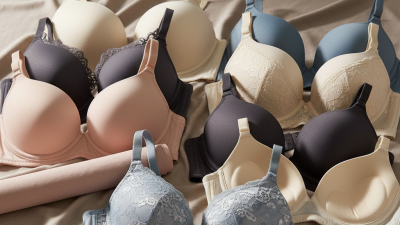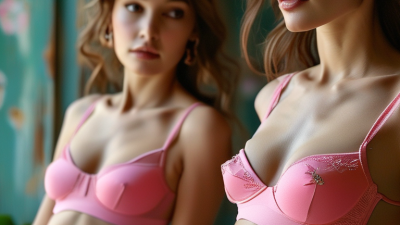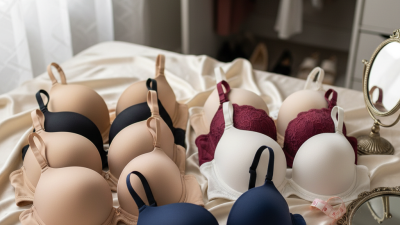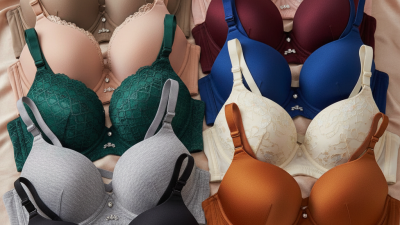
So, Padded Bras—there's more to them than you'd think. The biggest differences? You can spot them right in the cup. Some have a thin layer of foam, just to smooth things out. Others come with removable pads, or graduated inserts, or even fuller molded cups. Each style totally changes how the bra fits, how it shapes you, and how it feels under your clothes. For instance, if you're wearing a simple tee, you'll want a seamless finish. Going for a low-cut neckline? Then a plunge style is your best bet. Honestly, it's the little things that make all the difference.
You know, when it comes to getting the right fit and comfort, Kimmay Caldwell is someone I'd definitely point you to—she's a real pro in the lingerie world. But I gotta be honest: I couldn't find a direct quote from her about padded bras, and I'm not about to put words in her mouth. So here's a solid rule from the fitting room: "Padding should complement your shape, not force it." Think of that as my own takeaway, not something she said.
So, we're going to look at the usual padded bra types – you know, lightly lined, push-up, molded, and the ones with removable pads. But it's not just about the style – we'll also talk about how where the padding sits can change lift and coverage, and what to check on the band, straps, and cup edge. Here's a quick test: just raise your arms and sit down, then see if the cups shift or dig into you. Honestly, comfort really depends on your body and the brand – even a well-made bra might not feel right on you.
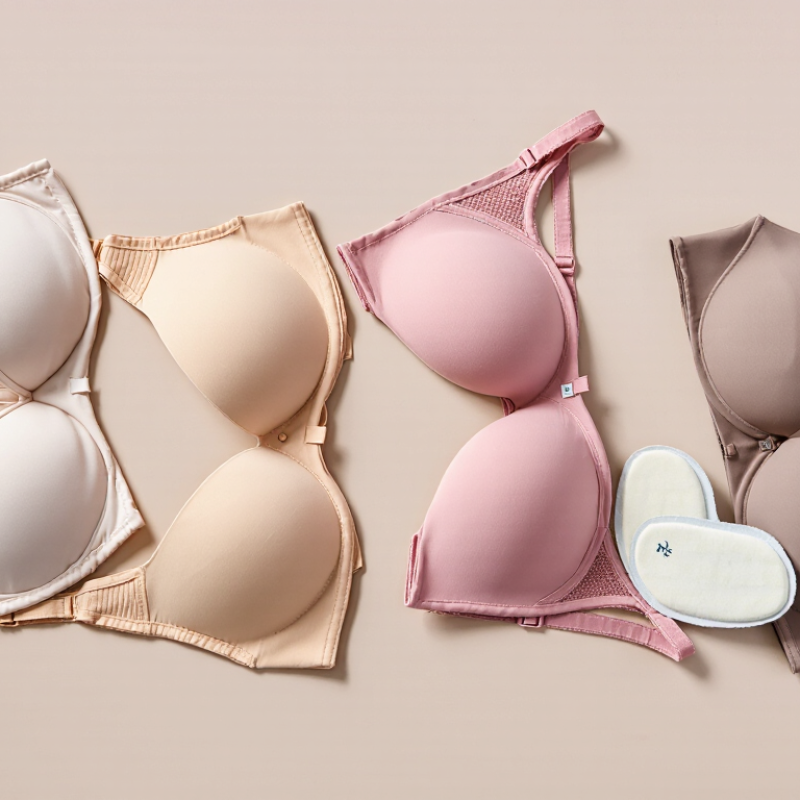
Padded bras use layers of foam, molded cups, or thin fabric pockets to shape and support the bust. The padding may be fixed in place or removable. Molded cups are often heat-shaped into a smooth curve, while stitched layers can feel softer and more flexible. Small details matter. Cup edges, seam placement, and the space between the cups affect how the bra sits under clothing.
A Padded Sports Bra may combine padding with compression or separate, shaped cups. Compression fabric holds the bust closer to the body; encapsulated cups support each side individually. Some designs use removable inserts in small inner pockets. These can shift during washing or exercise, so check that each insert lies flat before wearing. That can feel bulky. A thicker insert is not automatically more supportive.
Construction varies, and product descriptions rarely reveal every detail. Look at the inside seams, lining, and strap attachment points, then consider how the bra feels during movement. The band should stay level without digging in, and the cups should not wrinkle or gape. Fit is personal. A useful test is to raise your arms and bend forward; the bra should remain comfortably in place. Still, this quick check cannot replace trying it during the activity you actually do.
Padding changes a bra’s feel, shape, and appearance, and its material is a useful starting point. Foam cups often create a smooth outline; thin fiberfill offers a softer, less structured feel. Removable pads add flexibility, though they can shift after washing.
Textile Exchange’s Materials Market Report 2024 estimates that polyester represented 57% of global fiber production in 2023. That figure describes the wider textile market, not bra padding specifically, but it helps explain why synthetic fibers are common in lightweight linings and fills.
Check the care label: two pads that look alike may handle heat, moisture, and repeated washing differently.
Thickness affects both lift and how visible padding looks beneath clothing. Thin layers usually add modest coverage, while thicker or graduated cups can create more projection. Placement matters just as much. Padding across the full cup smooths the silhouette; padding concentrated at the bottom or sides can lift or bring tissue inward.
Small shifts can change the fit. A cup that gaps at the top may need a different shape, not more padding.
For Sexy Bras, consider seams and fabric too: a close-fitting shirt can reveal cup edges even when the padding itself is thin. There is no perfect formula, and I would not treat a size label as a fit guarantee. Try the bra with the clothes you actually wear.
Padded bras use foam, fabric layers, or removable inserts to change coverage and shape. Lightly lined styles smooth the outline without adding much volume. Molded-cup bras hold a rounded shape, even when unworn. Push-up bras place extra padding near the lower or outer cup to create lift and closer cleavage. Subtle, but noticeable.
Plunge styles have a lower center gore and often use padding to support a low neckline. T-shirt bras usually combine smooth, molded cups with light padding, helping prevent seams from showing under thin tops. Some sports bras include removable pads for coverage; these can shift during washing. Lace Bras may also include padding, but lace describes the outer fabric, not the cup construction. The categories overlap, and product labels are not always consistent.
Grand View Research’s 2023 lingerie-market report estimated the global market at USD 94.21 billion, with projected annual growth of 6.1% through 2030. This market figure shows the scale of the category, not which bra type fits best. Fit depends on cup shape, band tension, and where the padding sits. Try the bra with your usual top. Check for cup gaps, pinching, or a band that rides up. A snug fit is not automatically the right fit. Even these checks miss some details.
Padded bras differ less by the amount of fabric than by where the padding sits and how the cups are built. Lightly lined bras smooth the outline while keeping the bust’s natural shape visible. Molded cups hold a rounded contour, which can look more structured beneath a thin T-shirt. Removable inserts let you adjust the volume, though they may shift during wear. Small detail. A cup that feels even while standing can crease when you sit or reach forward.
Push-up styles place extra padding near the lower or outer cup to bring the breasts closer together and create more upper fullness. Full-coverage padded bras enclose more of the breast, often offering a steadier feel and less spill at the neckline. Plunge Bras have a low center front, so they suit deeper necklines; their coverage is reduced between the cups, not necessarily at the sides. Not always. More padding does not automatically mean more support: the band should stay level, and the straps should not dig in. It is easy to assume a snug cup means a good fit, but cup shape and wire placement matter too. Check how the bra feels while moving, not just in front of a mirror.
| Padded Bra Type | How It Shapes | Typical Coverage | Typical Support | Useful For |
|---|---|---|---|---|
| Lightly Lined | Adds a thin layer for a smoother outline, with little change to the natural shape. | Varies by neckline; commonly demi or full coverage. | Light to moderate. Support depends mainly on the band, straps, and cup construction. | Everyday wear when you want subtle shaping without much added volume. |
| Molded-Cup | Pre-shaped cups create a smooth, rounded look under clothing; they may hold their shape when unworn. | Often moderate to full, depending on the cup style. | Moderate to high when paired with a secure band and supportive construction. | Fitted tops and outfits where a smooth cup outline is preferred. |
| Push-Up | Angled or concentrated padding lifts and brings the breasts closer together, often enhancing cleavage. | Usually demi or plunge coverage, though designs vary. | Moderate; lift comes from the cup shape and padding, while the band provides much of the foundation. | Lower necklines or a more lifted, centered appearance. |
| Full-Coverage Padded | Encases more of the breast for a contained, generally rounded shape. | High, with cups designed to cover most of the breast. | Often moderate to high when the band and straps fit well. | Everyday coverage and a more secure feel, especially for fuller busts. |
| Demi or Balconette Padded | Provides lift and a more open neckline; balconette styles often create a lifted, gently rounded shape. | Low to moderate, with a shorter cup that reveals more of the upper breast. | Light to moderate, depending on the band, underwire, and cup design. | Wide or square necklines and outfits that call for a lower cup edge. |
| Plunge Padded | A low center gore and angled cups bring the breasts inward while keeping the center front low. | Low at the center; coverage elsewhere depends on the cup cut. | Light to moderate; support varies with cup depth, band fit, and construction. | Deep V-necks and other low-cut tops. |
| Padded Sports Bra | Padding can provide modest shaping or concealment; the design may compress or encapsulate the breasts. | Usually moderate to high, depending on the neckline and activity level. | Ranges from low-impact to high-impact; choose according to activity and fit. | Exercise. Removable pads allow adjustment but do not determine the bra’s support level. |
| Padded Bralette | Usually offers soft, natural shaping with light padding; it may have removable inserts. | Varies from low to moderate, often with a softer neckline. | Typically light to moderate, depending on the band and construction. | Casual Wear or a softer alternative to a structured bra. |
Note: Padding mainly affects shape, opacity, and the feel of the cups; it does not automatically increase support. Support is influenced by fit, band firmness, straps, cup structure, and, where present, underwire.
Choose padding for the job you need it to do. Lightly lined cups can smooth the outline under thin shirts, while thicker padding can add more shape beneath structured clothing. Removable pads offer flexibility, though they may shift in the wash. For exercise, look for a supportive design that stays comfortable during movement rather than choosing padding for appearance alone. The right amount is personal.
Check fit while standing and moving. The band should feel level and snug, without digging into your ribs. Cups should contain breast tissue without gaps, wrinkles, or spilling at the edges. Straps should stay put without carrying most of the support. Raise your arms and sit down; a bra that feels fine in front of a mirror may pinch later. Bodies and preferred fits vary, so these checks are useful guides, not strict rules.
Padded bras rely on foam cups, molded fabric, or removable inserts to keep their shape. Heat, twisting, and cramped storage can gradually dent the padding or distort the cups. Check the care label before washing, since materials and construction vary. A quick label check can prevent avoidable damage.
For most padded bras, hand-washing in cool water with a small amount of gentle detergent is a careful option. Swish the garment lightly; do not scrub the cups or wring them out. Press water away with a clean towel, then reshape each cup with your hands. Let the bra air-dry flat or hang it by the center gore, away from direct heat. Dryers are usually too harsh. They can warp foam.
If machine-washing is permitted, fasten the hooks and place the bra in a mesh laundry bag. Choose a delicate cycle and avoid washing it with heavy items, such as towels or jeans. Store molded cups upright or nest one cup inside the other without folding them sharply. Keep removable pads flat and dry. It is easy to assume that a bra is fine once it looks dry, but damp padding can hold moisture longer than the outer fabric. Check inside the cups before putting it away. Even careful routines are not perfect; inspect the shape now and then, and adjust how you store bras if creases appear.
Garment care labels use standardized maximum wash-temperature symbols, shown here in degrees Celsius. These values are label options, not a recommendation to wash every padded bra at a particular temperature. Always follow the bra’s care label; gentle handling and avoiding excessive heat can help protect padded cups and maintain their shape.
Padding may use foam, molded cups, layered fabric, or thin fiberfill. Some styles have removable pads inside small pockets. Materials can feel different. Not always obvious.
Not necessarily. Thickness can add coverage or projection, but support also depends on the band, cup shape, and construction. A thick pad may feel bulky.
Padding may cover the full cup or sit near the bottom or sides. Full-cup padding can smooth the outline, while targeted padding may lift or guide tissue inward.
Lightly lined bras add modest coverage. Molded cups keep their shape, while push-up styles place extra padding near the lower or outer cup. Plunge and T-shirt styles may also be padded.
Yes. Inserts can move during washing or exercise. Check that each pad lies flat before wearing the bra. That small step helps.
Raise your arms and bend forward. The band should stay level, and the cups should not wrinkle or gape. These checks help, but they are not the whole story.
The cup shape may not suit you; adding more padding may not solve the gap. Try another shape and check how it feels under your usual clothes.
They can. Cup edges, seams, and outer fabric may show beneath thin or fitted clothing, even when the padding is light. I would not trust the label alone.
Padded Bras are designed with added material inside the cups to shape the bust, provide coverage, or create a smoother silhouette. Their construction can vary in padding material, thickness, and placement: some use a light, even layer, while others add more volume at the bottom or sides. These differences affect how a bra lifts, supports, and shapes the body. Common styles include lightly padded everyday bras, push-up designs, molded-cup bras, and padded sports bras, each suited to different preferences and activities.
To choose a suitable style, consider your fit, desired coverage, comfort, and intended use. The band should feel secure, the cups should sit smoothly, and the padding should not create unwanted gaps or pressure. For longer wear, prioritize breathable materials and support appropriate to your activity. To maintain a bra’s shape, follow its care instructions, wash it gently, and let it air-dry; avoid folding molded cups in a way that creases or distorts them.