Leave Your Message
0%

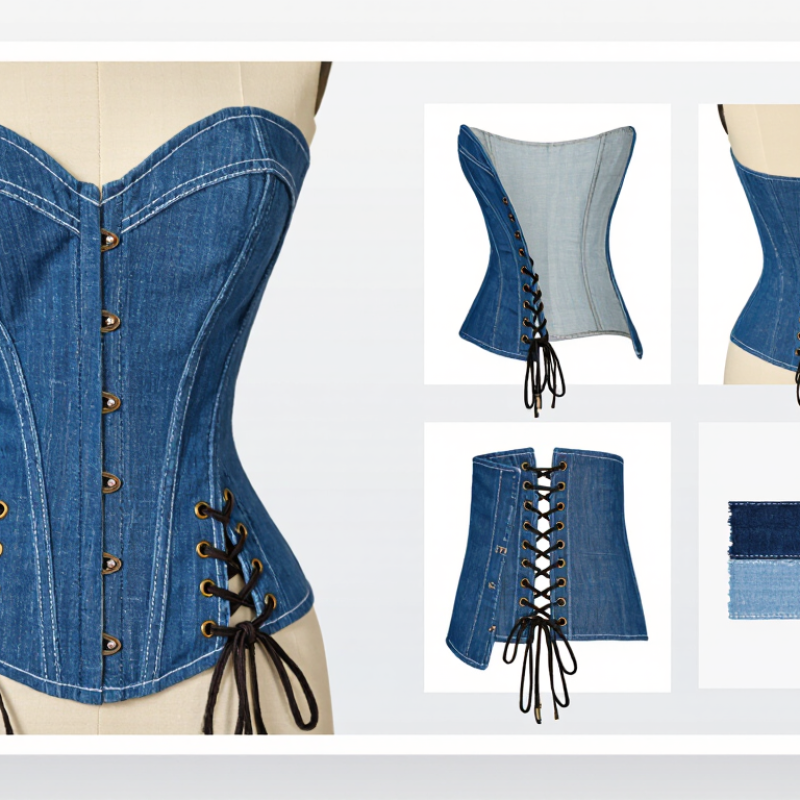
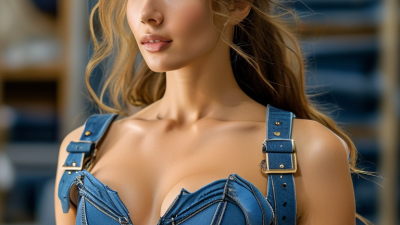
A Denim Corset Top can really help a fashion brand stand out with a strong visual identity. It blends the trusty durability of denim with the structured look of a corset, making the piece feel practical but far from ordinary. It’s great for shaping the waist, defining the bust, and creating a sharper silhouette—whether you wear it under a jacket or on its own. And don’t forget those small details—they make all the difference. Think antique buttons, visible topstitching, adjustable lacing, and a soft cotton lining to give it that extra touch.

Aimee Cho, a denim product development consultant, sums it up well: “A successful Corset Top should shape the body without making movement feel like a workout.” That’s a key idea behind making the right product choices. Brands really should test stuff like sitting, walking, layering, and washing the piece several times before they finalize a sample. Rigid denim might look super sharp in photos, but it can get pretty uncomfortable after a few hours. Stretch denim might be more comfy, but it could lose some of that sculpted shape. Honestly, there’s no perfect fabric out there.

This little tug-of-war actually adds some credibility to the product. Customers want something unique visually, but they also care about comfort, consistent fit, and durable construction. The Denim Corset Top isn’t just a one-trick pony; it can be part of different collections—from casual denim looks to more elevated evening styles. Plus, you can play around with removable straps, different washes, or inclusive sizing to keep it fresh and versatile. There’s a lot of potential here—on the flip side, a bad fit or cheap materials can really tank it.

Some brands tend to go overboard with decoration, thinking more hardware or details equals higher value. But honestly, a well-cut pattern often leaves a stronger impression than a bunch of unnecessary embellishments. This guide goes into why the Denim Corset Top really deserves some attention, where its commercial opportunities lie, and how smart, practical decisions can help a brand make a more reliable, wearable piece.
Why Choose a Denim Corset Top for Your Brand?

What Is a Denim Corset Top?

A Denim Corset Top combines denim’s durability with the shaped structure of traditional corsetry. It usually features contoured panels, defined seams, a close waist, and supportive closures. Some designs include flexible boning, while others rely on reinforced stitching. The result feels more architectural than a regular denim shirt or tank top.

The fit is the key detail. A well-developed Denim Corset should follow the bust and waist without restricting natural movement. Cotton-rich denim can provide firmness, but stretch fibers may improve comfort during sitting and walking. Textile Exchange’s Materials Market Report 2024 recorded global fiber production at approximately 124 million tonnes in 2023. Cotton represented about one-fifth of that volume, making material selection an important design decision.

Market demand also supports this silhouette. Grand View Research estimated the global denim jeans market at approximately 78 billion U.S. dollars in 2023, with continued growth expected through 2030. That figure does not measure corset tops directly, but it shows denim’s broad commercial relevance. Buyers may respond to visible seams, antique-style metal details, and adjustable backs. Still, appearance alone is not enough. Poor grading can create pressure around the ribs or uneven shaping. That part deserves more testing. A prototype should be assessed across several body types, not only on a sample-size mannequin.

Key Design Features of Denim Corset Tops

A denim corset top gives a brand structure, texture, and everyday versatility. Its design depends on visible construction. Shaped seams should follow the bust without creating sharp pressure points. A stable denim blend can improve recovery, while a small amount of stretch supports movement. The fabric should feel firm, not stiff like cardboard.

Key details create the product’s identity. Consider contrast topstitching, reinforced eyelets, adjustable straps, and a clean back closure. A curved neckline can soften the rigid denim surface. Lightly faded panels may add depth, but uneven fading can look accidental. Grand View Research projects the global denim jeans market to grow at roughly 4% annually through 2030, showing continued demand for denim with updated styling. That growth does not guarantee success. Fit still decides whether customers reorder.

A practical sample should be tested over a thin shirt, a Denim Mini Dress, and bare skin. Check how the boning behaves after sitting, bending, and repeated washing. The International Textile Manufacturers Federation reports that sustainability and resource efficiency remain major priorities across textile production. Therefore, washable finishes, durable hardware, and reduced material waste deserve attention during development. I would avoid excessive metal details. They can raise weight, cost, and discomfort. Small flaws may remain. A slightly uneven vintage wash can feel human, but poor stitching cannot.

How Denim Corset Tops Support Brand Identity

A denim corset top can make a brand identity feel tactile and recognizable. Its structured seams suggest confidence, while visible twill creates a practical, everyday character. In product development, I have found that customers remember clothing they can describe clearly. “Firm denim, shaped waist, adjustable back” is more specific than a vague style promise. These details help a collection communicate before a customer reads the label.

Material choices also shape perception.

Medium-weight denim can support clean panels without feeling overly rigid. Softened finishes may improve comfort, but they can reduce the sharp structure some designs need. This trade-off deserves real fitting tests. Sample reviews should check shoulder pressure, bust coverage, sitting comfort, and movement. Small changes matter. A two-centimeter adjustment can change the entire silhouette.

Consistency strengthens trust. Matching stitching, hardware tones, wash effects, and size grading across production gives the top a dependable visual language. However, denim does not always behave perfectly. Wash variation can occur, and corset-style shaping may fit different bodies unevenly. Clear measurements and honest product information protect customer confidence.

A useful design may still need revision after wear testing. That is not failure; it is evidence-based development. A denim corset top becomes more than a seasonal item when its construction, comfort, and visual character support the brand’s actual values.

Choosing Denim Fabrics, Fits, and Finishes

A denim Corset Top succeeds when its fabric, fit, and finish work together. Denim is not simply blue cotton. It can be rigid, ring-spun, stretch-based, or blended with recycled fibers. The 2024 Textile Exchange Materials Market Report recorded 124 million tonnes of global fiber production in 2023, with cotton representing about 22%. This scale makes cotton selection important for both comfort and sourcing discussions.

For structured support, choose a medium-weight denim with stable recovery. A fabric around 9 to 12 ounces can shape the torso without feeling like cardboard. Adding a small percentage of elastane improves movement, but excessive stretch may weaken the corset silhouette.

Test the garment after repeated sitting, washing, and fastening. A practical sample should not twist at the waist or gape near the bust.

Fit requires more than standard size grading. Measure bust, underbust, waist, and torso length separately. Curved seams should follow the body, not fight it.

Finish details also matter. Clean topstitching, reinforced eyelets, smooth lining, and secure boning improve wearability.

The Global Denim Project’s industry research highlights durability and comfort as major product expectations, yet these qualities can conflict. A softer finish may reduce structure. That choice can fail. Reviewers should test real movement before approving production, because a beautiful sample can become restrictive after one full day.

Customization Options for Brand Collections

A denim corset top can give a collection structure, texture, and a clear visual identity. Its appeal grows when customization supports the intended customer, not just the sample room. Choose denim weight according to use. Lightweight fabric suits layering, while firm denim creates stronger shaping. A washed blue surface feels relaxed; deep indigo looks more polished. During development, test the top with a cotton shirt, bare skin, and high-waisted trousers. Small changes often reveal comfort problems.

Customization can begin with the panel design. Curved seams may emphasize the waist, while wider panels can create a steadier fit. Select cotton-rich denim, stretch blends, or recycled fibers after checking recovery and abrasion performance. Boning should support the shape without pressing sharply when the wearer sits. Hardware, stitching color, pocket placement, woven labels, and back closures can make the piece feel distinct. Size grading deserves practical fitting sessions across several body types. One fit model is not enough. A first prototype may look excellent but still ride upward during movement. That issue deserves correction before production. Keep measurement records, material details, and inspection notes for consistent repeat orders.

Tips: Request a fabric swatch, graded sample, and wash test before approval. Check seam strength after repeated wear. Leave room for revision.

Production, Quality, and Sourcing Considerations

Choosing a denim corset top requires more than checking a trend forecast. The fabric must support structured panels without feeling stiff against the ribs. In sampling, I examine denim weight, stretch recovery, seam slippage, and colorfastness. A 10–12 ounce denim often balances shape and daily comfort. Lighter fabric may collapse near the bust. Heavier fabric can restrict movement. Those trade-offs need fitting evidence.

Production quality depends on pattern control and repeatable sewing methods. Curved seams should lie flat after pressing, especially around the waist and bust. Reinforced topstitching helps, but excessive thread tension can pucker the denim. Suppliers should provide pre-production samples, measurement charts, and fabric test results. Check shrinkage after washing, not only before it. A small change can alter the fit. This is easy to overlook.

Sourcing deserves equal attention. Ask where the cotton, stretch fiber, dyes, and metal hardware originate. Confirm consistent lot availability before setting a delivery schedule. For trims, test sharp edges, tarnishing, and pull strength on finished garments. If your assortment includes a Lace Corset Top, compare its support needs separately; lace often requires different lining and seam handling. I would also request a pilot run before bulk production. It costs more upfront. Yet one imperfect sample can reveal a hidden production problem. I still question whether every decorative detail earns its added labor and care requirements.

Why Choose a Denim Corset Top for Your Brand? - Production, Quality, and Sourcing Considerations

Evaluation Dimension Typical Specification or Range Why It Matters Recommended Sourcing Check
Fabric Weight Approximately 8–12 oz per square yard for structured fashion denim Heavier denim provides stronger body and support, while lighter denim improves comfort and flexibility. Request fabric swatches and confirm weight after washing, not only from the greige-fabric specification.
Fiber Composition Common options include 98–100% cotton or cotton blends containing about 1–3% elastane Cotton delivers denim texture and durability; a small amount of stretch can improve movement and fit retention. Verify fiber content through supplier documentation and laboratory testing when compliance is critical.
Structural Support Typical features: 4–8 shaping panels, reinforced seams, waist stay, and optional plastic or spiral steel boning Panel construction and reinforcement determine shaping performance, comfort, and resistance to seam distortion. Review the technical pattern, boning channel construction, seam allowance, and recovery after repeated wear tests.
Closure System Hook-and-eye rows, metal zipper, lace-up back, or a combination of closure types The closure affects adjustability, dressing ease, appearance, and long-term product reliability. Check pull strength, corrosion resistance, stitch density, alignment, and operation after wash testing.
Color and Wash Consistency Indigo, black, ecru, acid wash, vintage wash, or custom shade; production tolerance should be approved by lab dip or wash standard Denim washing can create variation in shade, hand feel, abrasion, and surface appearance between production lots. Approve a sealed reference sample and define acceptable shade, abrasion, whisker, and measurement tolerances.
Fit and Grading Use a complete size chart with bust, underbust, waist, torso length, and back length measurements Corset tops are highly fit-sensitive; inaccurate grading can cause gaping, pressure points, or restricted movement. Conduct fit trials on multiple body sizes and record dimensional changes before and after laundering.
Seam and Stitch Quality Consistent topstitching, secured seam ends, even seam allowances, and reinforced high-stress points High-tension areas around the bust, waist, closures, and boning channels need additional construction control. Specify stitch appearance, seam strength, loose-thread limits, and bar-tack locations in the quality standard.
Shrinkage and Colorfastness The final garment may change after washing; exact results depend on fiber, finishing, wash process, and garment construction Uncontrolled shrinkage or crocking can affect fit, appearance, and customer satisfaction. Test dimensional stability, dry and wet rubbing, laundering, perspiration, and lightfastness using the intended care method.
Sampling Process Development sample, fit sample, size-set sample, pre-production sample, and shipment inspection Multiple approval stages reduce the risk of repeating errors across bulk production. Use one signed reference sample, a measurement chart, approved trims, and written comments for every revision.
Minimum Order Planning Minimum quantities vary by fabric mill, dye or wash, color, size range, and trim selection Custom denim washes and special trims generally require more development and inventory commitment than standard options. Request separate minimums for fabric, color, wash, style, and size, rather than relying on one overall quantity.
Lead-Time Planning Allow time for fabric booking, pattern development, sampling, washing, bulk sewing, inspection, and transport Denim garments often require additional wash development and quality checks compared with basic cut-and-sew products. Build a milestone calendar with approval deadlines and add contingency time for wash or trim corrections.
Sustainability Factors Consider recycled fibers, lower-impact dyeing, efficient washing, water recycling, and durable construction Longer product life and reduced resource use can support both environmental goals and product value. Ask for process records, restricted-substance compliance documents, wastewater controls, and relevant material certifications.
Final Inspection Criteria Inspect measurements, appearance, construction, trims, labeling, packaging, and workmanship against approved standards A defined inspection system helps identify defects before goods reach customers or distribution channels. Use an agreed sampling plan, defect classification, measurement tolerance, and corrective-action procedure.

Note: Specifications and planning ranges are typical industry reference points. Final requirements should be confirmed through product testing, approved samples, applicable regulations, and the selected manufacturing process.

FAQS

What is a denim corset top?

It combines durable denim with shaped panels, defined seams, and a close waist. The silhouette feels architectural.

Which denim fabric works best?

Medium-weight denim, around 9 to 12 ounces, offers structure without feeling rigid. A little stretch can improve movement.

How should a denim corset top fit?

It should follow the bust and waist without restricting breathing or sitting. Measure the bust, underbust, waist, and torso separately.

Can boning improve the garment?

Flexible boning can support the shape and reduce fabric collapse. It should not press sharply against the ribs.

What details improve comfort?

Smooth lining, reinforced eyelets, secure closures, and clean topstitching help during daily wear. Small details matter.

How should the design be tested?

Test sitting, walking, fastening, washing, and repeated wear. Check for twisting, bust gaps, and upward riding.

Can the top suit different styling needs?

Lightweight denim works well over shirts, while firm denim creates stronger shaping. Try it with bare skin and high-waisted trousers.

What customization options are useful?

Adjust panel width, seam curves, stitching color, hardware, pocket placement, and back closures. Keep detailed measurement records.

Is one sample size enough for approval?

No. Fit several body types before production. One mannequin can hide pressure, gaping, or uneven shaping.

What should be checked before production?

Request a fabric swatch, graded sample, and wash test. Review seam strength carefully. Leave room for revision.

Conclusion

A Denim Corset Top combines the structured shaping of a corset with the durable, casual appeal of denim. Its defining features may include a fitted silhouette, supportive paneling, seam details, adjustable closures, and carefully placed stitching that enhances both comfort and visual balance. These elements help create a distinctive product identity by blending practicality, modern styling, and a recognizable fabric character. With the right proportions and detailing, the garment can become a versatile foundation for seasonal collections and coordinated outfits.

When developing a Denim Corset Top, thoughtful choices in fabric weight, stretch, wash, color, and finish are essential. Different fits can serve varied customer preferences, while options such as embroidery, labels, hardware, contrast stitching, and custom washes allow collections to feel more individual. Reliable production also requires attention to pattern accuracy, construction strength, sizing consistency, fabric testing, and responsible sourcing. Careful quality control throughout sampling and manufacturing helps ensure the final product is comfortable, durable, and aligned with the collection’s intended design direction.

Oliver

Oliver

Oliver is a seasoned marketing professional at Okleebody Co., Ltd., a company renowned for its high-quality ladies' lingerie and men's underwear since its establishment in 2006. With a deep understanding of the export guide industry, he plays a pivotal role in positioning Okleebody as a global......
Previous 2026 Best Triangle Sets for Global Buyers